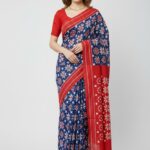
 Pochampally sarees
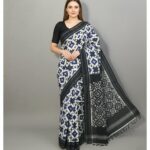 pochampally cotton Sarees
 pochampally silk sarees
 Double ikat saree
 Narayanpet sarees
 Kalyani Cotton Sarees
 kanjivaram sarees
 Patteda anchu sarees
 Kasuti Sarees
 NARAYANPET HALF SAREES
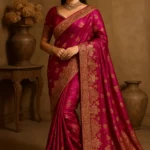 Fancy sarees
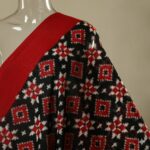 Cotton Suits
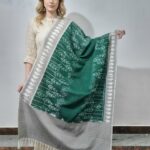 Mercerised duppatas
 Theliya dupattas
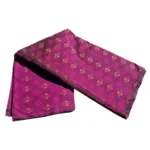 2/40 Cotton Fabric
 Double Ikat FABRIC
 Plain Fabric
 Pillow Covers

What Makes Pochampally Sarees Unique?

Pochampally sarees are not just garments; they are a geometric poetry woven into silk and cotton. Hailing from the “Silk City of India”—Bhoodan Pochampally in Telangana—these sarees are iconic for their Ikat (locally known as Chitki or Pagudubandhu) technique.
If you are looking to add a touch of heritage to your wardrobe in 2026, here is everything you need to know about Pochampally sarees, from their history to the latest styling trends.
What Makes Pochampally Sarees Unique?
The soul of a Pochampally saree lies in its Double Ikat weaving. Unlike other sarees where the pattern is printed onto the fabric, in Pochampally, the warp and weft threads are dyed before weaving.
* Geometric Precision: Known for sharp, clean-edged diamonds, squares, and chevrons.
* The “Blur” Effect: Authentic Ikat has a signature “hazy” or feathered edge to its motifs, which is a mark of the hand-dyeing process.
* Lightweight Comfort: Whether in pure silk or SICO (a silk-cotton blend), these sarees are incredibly breathable and easy to drape.
The GI Tag: A Mark of Authenticity
Pochampally Ikat received its Geographical Indication (GI) status in 2005, making it the first handloom textile in India to be protected. This ensures that only sarees produced in the specific Telangana cluster can legally carry the Pochampally name.
2026 Saree Trends: What’s New in Pochampally?
In 2026, the traditional Pochampally is getting a modern makeover to suit the Gen-Z and millennial aesthetic:
| Trend | Description |
|—|—|
| Pastel Palettes | Moving away from traditional reds and yellows, 2026 is all about mint green, lavender, and dusty rose Ikat patterns. |
| Kanchi-Pochampally Fusion | A growing trend where the body features Pochampally Ikat, but the borders are rich Kanchipuram-style zari. |
| Animal Motifs | While geometry is king, new designs feature stylized elephants, parrots, and fish woven into the geometric grids. |
| SICO for Workwear | SICO (Silk-Cotton) sarees are the top choice for office wear due to their subtle sheen and crisp drape. |
How to Identify an Original Pochampally Saree
With powerloom imitations flooding the market, use these three checks to ensure you’re buying a genuine handloom piece:
* Check Both Sides: In an authentic Ikat saree, the design is equally vibrant on both the front and back. If the back is faded, it is likely a print.
* The Selvedge Test: Handloom sarees have slightly uneven edges or small pinholes along the border where the fabric was fixed to the loom.
* The “Feathered” Look: Look closely at the motifs. If the lines are too sharp and perfect, it’s a machine print. Real Ikat has a soft, blurry transition between colors.
> Pro Tip: Always look for the Handloom Mark or the GI Tag label when purchasing online or in-store.
>
Styling Your Pochampally Saree in 2026
Traditional sarees don’t have to look “old school.” Here is how to style them today:
* For the Office: Pair a monochrome Pochampally cotton saree with a high-neck sleeveless blouse and a sleek watch.
* For Weddings: Choose a Silk Ikat in jewel tones (like Emerald or Royal Blue) and pair it with temple jewelry.
* The Fusion Look: Try draping your saree over a pair of tailored trousers or wearing it with a contrast-colored crop top for a modern silhouette.