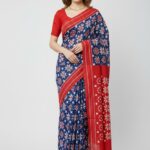
 Pochampally sarees
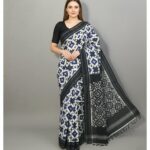 pochampally cotton Sarees
 pochampally silk sarees
 Double ikat saree
 Narayanpet sarees
 Kalyani Cotton Sarees
 kanjivaram sarees
 Patteda anchu sarees
 Kasuti Sarees
 NARAYANPET HALF SAREES
 Fancy sarees
 Cotton Suits
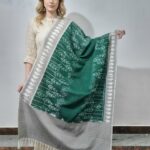 Mercerised duppatas
 Theliya dupattas
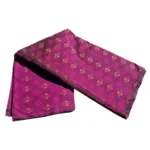 2/40 Cotton Fabric
 Double Ikat FABRIC
 Plain Fabric
 Pillow Covers

Pochampally Ikat vs. Narayanpet: A Practical Guide to Choosing Authentic Handloom Cotton Sarees

Pochampally Ikat vs. Narayanpet: A Practical Guide to Choosing Authentic Handloom Cotton Sarees
Walking into a room wearing a handloom saree is an experience like no other. There is a distinct grace, a story woven into the fabric, and a connection to India’s rich heritage. However, for many saree lovers, the confusion between different regional weaves can be overwhelming. Two of the most popular yet often confused styles are the iconic Pochampally Ikat and the classic Narayanpet cotton. If you have ever stood before a rack of sarees, wondering what truly sets them apart, you are not alone. Understanding the Pochampally Ikat vs Narayanpet cotton sarees difference is essential to building a wardrobe that truly reflects your style and appreciation for genuine craftsmanship. This guide will help you decode the visual language, texture, and design philosophy of these two magnificent weaves, ensuring you invest in authentic handloom cotton sarees India is known for.
Understanding the Roots: Where Do They Come From?
Every great weave has a geographical story, and these two are no exceptions. Pochampally Ikat hails from the Bhoodan Pochampally region in Telangana. This area is famous for its intricate tie-and-dye technique used on warp threads before weaving. The artistry here is so significant that the UNESCO World Heritage Committee has included Pochampally as a “craft village” in its tentative list. On the other hand, Narayanpet also originates from Telangana, carrying a legacy that dates back to the Mughal era. The weavers here have perfected a unique style of cotton weaving, characterized by its lightness and distinctive border patterns. Knowing the origin is your first step in buying guide for handloom cotton sarees, as it gives you a background check on the authenticity and traditional methods involved.
Key Differences in Design and Texture
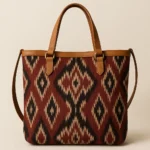
The most significant visual difference lies in the patterns. How to identify original Pochampally Ikat is often about looking for the “blur” effect. In Ikat, the dye penetrates the yarn before it is woven, which results in patterns that have slightly feathered or blurred edges. This is the hallmark of true craftsmanship. You will often see vibrant geometric shapes, diamonds, and double Ikat patterns that are symmetrical and complex.
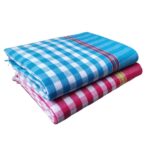
Narayanpet sarees, conversely, are known for their checks and stripes. They usually feature a darker body with contrasting pallus and borders. The patterns are sharp and defined, not blurred like Ikat. While Pochampally Ikat is all about the mesmerizing interplay of colours through the tie-dye process, the Narayanpet handloom saree features a simpler, more rustic charm. The body of a Narayanpet saree often has small checks or boxes, and the border is usually a solid, bold colour with a distinctive line pattern.
If you are looking for a saree that screams elegance with a complex design, a Pochampally Ikat handloom silk saree with its striking motifs is the perfect choice. If you prefer understated grace suitable for daily wear, a Narayanpet saree offers that effortlessly.
Weaving Technique: Ikat vs. Solid Weaves
The core of the difference between Ikat and checks handloom sarees lies in the technique. Ikat is arguably one of the most difficult forms of weaving. The artisans have to pre-tie and dye the threads in a specific pattern, and then align them perfectly on the loom. A slight misalignment can ruin the pattern. This complexity is why Pochampally Ikat is highly valued and often priced higher.
Narayanpet weaving is a balanced plain weave where the pattern is created by changing the colour of the weft threads as the weaving progresses. It requires immense skill but is less complex than the tie-dye process of Ikat. However, the quality of the cotton used in Narayanpet is often exceptionally fine, making the saree incredibly comfortable to drape.
For those who appreciate the science of weaving, a pure cotton Pochampally saree with double Ikat teliya design showcases the pinnacle of this art form. For a practical, everyday luxury, a Narayanpet cotton saree with small border highlights the beauty of simplicity.
Why Authentic Pochampally Cotton Needs Special Care
Authentic handloom sarees are delicate, and Pochampally Ikat is no exception. The vibrant colours used in Ikat are derived from natural or vegetable dyes that can fade if not handled properly. The tie-dye process makes the thread slightly more vulnerable than a solid thread. Therefore, the fabric requires a gentle touch. It is not just a piece of clothing; it is a piece of art that demands respect. The tight weave of cotton Pochampally sarees makes them durable, but the colours need protection from harsh chemicals and prolonged direct sunlight. Using the right detergent and washing method will ensure that the brilliant blues, reds, and blacks remain as vibrant as the day you bought them.
Common Mistakes to Avoid
When purchasing these sarees, there are a few pitfalls that can lead to disappointment. Here are the most common mistakes buyers make:
- Confusing Power Loom with Handloom: Many printed sarees mimic the Ikat look. Always look for the slight irregularities in the weave; perfect symmetry is often a sign of a machine print, not a handwoven Ikat.
- Ignoring the Pallu and Border: In Narayanpet sarees, the pallu (the decorative end piece) is a key indicator of authenticity. A genuine Narayanpet has a specific pattern in the pallu that machine weaves often fail to replicate accurately.
- Touch and Feel: Pure cotton handlooms have a specific texture. They feel soft yet sturdy. If a saree feels too silky or too stiff, it might be mixed with synthetic fibers or be a machine imitation.
- Price Check: Authentic handloom involves weeks of labour. If the price seems too good to be true, it probably is. Genuine weaves are an investment in culture and quality.
Remember, you are buying a heritage product. The price reflects the weeks of manual labour and the high-quality materials used by the weavers.
How Proper Care Increases Fabric Life
Handloom sarees are a long-term investment, and proper care can make them last for generations. The goal is to maintain the integrity of the fibers and the vibrancy of the colours. The longevity of your saree depends heavily on how you wash, dry, and store it. Neglecting these aspects can lead to shrinkage, colour bleeding, and fabric damage.
Here is a simple care routine to follow:
- First Wash: Always go for a dry clean for the first wash. This sets the dyes and removes any residual starch from the weaving process.
- Subsequent Washes: For regular washes, use cold water and a mild, pH-neutral liquid detergent. Never use hot water as it can cause the cotton to shrink and the colours to bleed.
- Washing Method: Do not scrub the saree vigorously. Dip it in water and gently squeeze the soap through. Rinse thoroughly.
- Drying: Dry your saree in the shade. Direct sunlight is the biggest enemy of natural dyes and can cause the colours to fade unevenly. Always dry them inside out to protect the outer surface.
- Storage: Store your sarees in a cool, dry place. Do not hang them for long periods as this can stretch the fabric. It is best to fold them neatly and wrap them in a cotton cloth. Change the folds every few months to prevent permanent creasing and to let the fabric breathe.
By following these steps, you ensure that your authentic handloom cotton sarees India remain a cherished part of your collection. A well-maintained Pochampally or Narayanpet saree only gets softer and more comfortable with time.
Conclusion
Choosing between Pochampally Ikat and Narayanpet cotton is not about picking a winner; it is about understanding which weave complements your personality and needs. If you are drawn to bold, geometric, and vibrant patterns that tell a story of complex craftsmanship, the Pochampally Ikat is your calling. It is perfect for festive occasions, office wear, and making a style statement. On the other hand, if you prefer the elegance of checks and stripes, lightweight comfort, and a saree that you can effortlessly carry through your daily routine, the Narayanpet is an unbeatable choice.
Ultimately, both are magnificent examples of Indian handloom heritage. By recognizing the unique characteristics of each, you can confidently make a choice. Whether you opt for a vibrant Pochampally Ikat or a classic Narayanpet saree, you are supporting the livelihood of skilled artisans. Explore the textures, check the weaves, and wrap yourself in a piece of history. Visit our collection to find the perfect pure cotton Pochampally saree or the timeless Narayanpet cotton saree that awaits you.