 Pochampally sarees
 pochampally cotton Sarees
 pochampally silk sarees
 Double ikat saree
 Narayanpet sarees
 Kalyani Cotton Sarees
 kanjivaram sarees
 Patteda anchu sarees
 Kasuti Sarees
 NARAYANPET HALF SAREES
 Fancy sarees
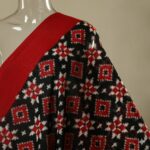 Cotton Suits
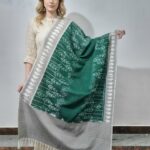 Mercerised duppatas
 Theliya dupattas
 2/40 Cotton Fabric
 Double Ikat FABRIC
 Plain Fabric
 Pillow Covers

Double Ikat vs Single Ikat: Your Ultimate Buyer’s Guide for Authentic Indian Handloom Fabric

<script async src="https://pagead2.googlesyndication.com/pagead/js/adsbygoogle.js?client=ca-pub-2028628078572135"
     crossorigin="anonymous"></script>
<ins class="adsbygoogle"
     style="display:block; text-align:center;"
     data-ad-layout="in-article"
     data-ad-format="fluid"
     data-ad-client="ca-pub-2028628078572135"
     data-ad-slot="2125089479"></ins>
<script>
     (adsbygoogle = window.adsbygoogle || []).push({});
</script>
Walking into a handloom store, you see two beautiful sarees side by side. One is priced at ₹15,000, the other at ₹45,000. Both look stunning with their intricate geometric patterns. The salesperson calls one “Single Ikat” and the other “Double Ikat”. You’re confused. Is the higher price just brand markup? What exactly are you paying for? And which one gives you better value for your money?
This is the most common dilemma for buyers who want authentic Indian Ikat fabric but don’t understand the technical differences. You’re not alone if you’ve hesitated, worried about making the wrong choice or overpaying. The good news is that once you understand what makes double ikat different from single ikat, you can make a confident purchase decision that matches your budget, style preference, and how you plan to use the fabric.
In this comprehensive guide, we’ll break down the real differences between double ikat and single ikat in simple terms. You’ll learn how to identify genuine pieces, avoid common buying mistakes, and understand which type works best for different uses – whether you’re buying a saree, dress material, or home décor fabric. By the end, you’ll know exactly which ikat fabric deserves a place in your collection.
What is Ikat? The Basics Every Buyer Should Know
Ikat is not a fabric, but a resist-dyeing technique. The word comes from the Malay-Indonesian word “mengikat,” meaning to tie or bind. Before the threads are woven into fabric, they are tied and dyed in specific patterns. When the ties are removed and the threads are woven, the pattern emerges. This is what gives Ikat its characteristic blurred, feathered edges – a hallmark of authentic handloom work.
In India, Ikat is primarily woven in:
- Odisha (Sambalpuri Ikat)
- Andhra Pradesh & Telangana (Pochampally Ikat)
- Gujarat (Patola Ikat)
The complexity of the technique directly impacts the price, time taken, and ultimately, the value of the final product. This is where the difference between single and double ikat becomes critical for buyers.
Key Differences Between Double Ikat and Single Ikat
Understanding this difference is the key to making an informed purchase. Let’s break it down in buyer-focused terms.
1. The Technical Difference (That Impacts Price & Beauty)
Single Ikat: Only one set of threads (either the warp or the weft) is tie-dyed before weaving. The other set of threads remains plain. When woven, the pattern is created by the pre-dyed threads interacting with the plain threads. It’s complex, but less complex than double ikat.
Double Ikat: BOTH the warp (vertical) and weft (horizontal) threads are tie-dyed separately with the same pattern. When woven, they interlock to create the final design. This requires incredible skill because the dyed patterns on both thread sets must align perfectly during weaving. Even a tiny misalignment can ruin the entire piece.
What this means for you as a buyer: Double ikat takes significantly more time and skill to produce. The weaver has to prepare two separate sets of patterned threads and then align them perfectly on the loom. This is why double ikat commands a premium price. You’re paying for the extraordinary craftsmanship and time investment.
2. Visual Identification for Buyers
When you’re in a store or shopping online, here’s how to tell them apart:
Single Ikat Look: The pattern is visible only on the length or the breadth of the fabric, not both. For example, in a Pochampally single ikat saree, you might see the design only in the weft (horizontal) direction, while the warp (vertical) threads are plain. The patterns often have a simpler, more linear appearance.
Double Ikat Look: The pattern appears on both directions of the fabric. Look closely at the design – you’ll see the motif repeated in both the vertical and horizontal threads. This creates a more complex, intricate, and often more symmetrical design. The edges of the patterns in double ikat also tend to be slightly more blurred or diffused because both sets of threads have the dye resist.
Buyer Tip: Hold the fabric up to the light. In double ikat, you can often see the pattern in both the warp and weft threads. In single ikat, the plain threads are more visible in one direction.
3. Price and Value Proposition
Single Ikat: Generally more affordable. Prices can range from ₹3,000 to ₹15,000 for a saree, depending on complexity and material (cotton, silk, or silk-cotton blend). This makes it an excellent entry point for buyers who want authentic handloom Ikat without a huge investment.
Double Ikat: Significantly more expensive. A pure silk double ikat saree from a reputed cooperative or master weaver can cost anywhere from ₹25,000 to well over ₹1,00,000. The most famous double ikat is the Patola from Gujarat, which can take 6 months to a year for a single saree.
Is double ikat worth the higher price? If you value exceptional craftsmanship, rarity, and a family heirloom piece, yes. The time, skill, and precision required make it a true work of art. However, if you want the Ikat aesthetic for everyday wear or trendy fashion, single ikat offers incredible value and beauty at a much lower price point.
Here is an example of a beautiful Single Ikat piece to consider:
Which Ikat Fabric Should You Buy? A Practical Guide
This is the most important question. The answer depends entirely on your purpose, budget, and personal values as a buyer.
Buy Single Ikat If:
Your Budget is under ₹15,000: You get authentic handloom beauty without stretching your finances. This is perfect for building a collection of wearable art.
You Want Modern, Versatile Styles: Single ikat is lighter and often used for contemporary kurta fabrics, dress materials, and even Indo-Western outfits. The patterns work beautifully in modern fashion.
You’re Buying for Daily or Regular Wear: Single ikat cotton sarees and kurtas are comfortable, breathable, and durable for regular use. You won’t feel guilty about wearing them often.
You’re a First-Time Ikat Buyer: Start with single ikat to understand the craft and your personal style preference before investing in higher-priced double ikat.
You Support Weaver Cooperatives: Many single ikat pieces come from weaver cooperatives in Odisha and Andhra Pradesh, ensuring fair wages for artisans.
Buy Double Ikat If:
You Value Rarity and Exceptional Craftsmanship: You appreciate the extraordinary skill and months of labor that go into each piece. You see it as an investment in art.
You’re Buying a Heirloom or Special Occasion Piece: A double ikat saree is a true heirloom that can be passed down generations. Perfect for weddings, major festivals, or as a statement piece.
Your Budget is Flexible for Premium Quality: You understand that you’re paying for unparalleled craftsmanship, not just the fabric.
You Want the Prestige of Patola or High-End Sambalpuri: Brands and master weavers often produce double ikat, and owning one carries a certain cachet in cultural circles.
You’re an Art Collector or Connoisseur: For those who collect and appreciate traditional textiles, double ikat is a must-have.
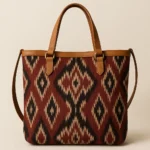
For buyers looking for a more contemporary application, here’s a Double Ikat fabric option that works for home décor:
Common Buying Mistakes to Avoid (Save Money & Heartache)
As a buyer, you need to protect yourself from fakes and poor-quality products. The Ikat market has imitations and misleading marketing. Here are the critical mistakes to avoid:
Mistake 1: Buying Printed “Ikat” as Handloom Ikat: Many mass-market brands sell printed fabrics with Ikat-like patterns. These are not authentic Ikat. The price will be very low (under ₹1,000), and the pattern will be perfectly crisp with no blur. Always check for the characteristic slight irregularity and feathered edges of real handloom Ikat.
Mistake 2: Assuming Machine-Made is as Good as Handloom: Power looms can produce Ikat patterns, but they lack the soul, the slight imperfections, and the depth of color that come from hand-dyed threads. Handloom Ikat has a distinct texture. The back of the fabric should show the pattern clearly (it won’t be a blank reverse). Machine-made often has a messy back or no pattern on the reverse.
Mistake 3: Not Checking for GI Tags and Authenticity: Authentic Ikat from specific regions often has Geographical Indication (GI) tags. For example, Pochampally Ikat has a GI tag. Ask the seller for certification or buy from reputable sources like government emporiums (e.g., Central Cottage Industries Emporium, Lepakshi) or trusted online handloom platforms.
Mistake 4: Confusing Ikat with Ajrakh or Bagh: While all are resist-dyeing techniques, they are different. Ikat has the characteristic blurred patterns. Ajrakh (from Gujarat) has sharp geometric patterns with natural dyes. Bagh (from Madhya Pradesh) involves block printing. Don’t let a seller confuse you to justify a price.
Mistake 5: Focusing Only on Design, Not Material & Finish: An authentic Ikat pattern on poor-quality cotton or with loose weaving won’t last. Check the thread count, the fineness of the weave, and the quality of the silk (if applicable). For double ikat, the alignment of the pattern should be perfect.
Here is an example of a well-finished Single Ikat piece from a reputed source:
Understanding the Price: What Are You Really Paying For?
Many buyers feel Ikat is “overpriced” until they understand the economics of its production.
Single Ikat Economics: A weaver might take 3-7 days to prepare the threads and weave a single cotton saree. The complexity is in the dyeing and ensuring the pattern is clear. The price reflects this labor plus the weaver’s livelihood.
Double Ikat Economics: This is where it gets intense. Preparing the warp and weft threads separately with perfect alignment can take weeks or months. A Patola silk saree can involve 2-3 weavers working for 6 months to a year. The cost includes:
- High-quality silk or cotton threads
- Natural or high-quality synthetic dyes
- Immense skilled labor time (often working 8-10 hours a day)
- Opportunity cost for the weaver (they could weave many single ikat pieces in the same time)
When you buy double ikat, you are not just buying fabric. You are paying for months of a master weaver’s life dedicated to creating a single piece. This is why it’s priced like art.
For the best value, consider buying from weaver cooperatives directly or through government handloom portals. Here’s a classic piece that represents good value:
Care and Maintenance: Protecting Your Investment
Your purchase is an investment in art and tradition. Protect it properly.
For Single Ikat: Most cotton and silk-cotton single ikat fabrics are relatively easy to maintain. Dry clean is recommended for the first wash to set the dyes. After that, you can hand wash in cold water with a mild detergent. Don’t soak for too long. Dry in the shade to prevent color fading.
For Double Ikat (especially pure silk): This is precious. Always dry clean. Never wash at home. Store in a cool, dry place away from direct sunlight. Wrap in a muslin cloth to allow the fabric to breathe. Avoid plastic covers, which can trap moisture and cause yellowing or mildew.
General Care Tips for All Ikat Fabrics:
- Always wash dark and light colors separately, even after multiple washes.
- Use a muslin or cotton bag for storage, not plastic.
- Refold the saree or fabric every 3-6 months to prevent permanent crease lines.
- Avoid direct contact with perfumes or deodorants, especially on silk.
Proper care ensures that your Ikat piece remains beautiful for decades, making it a truly sustainable and valuable addition to your wardrobe or home.
Conclusion: Your Purchase Decision Made Simple
Choosing between double ikat and single ikat doesn’t have to be overwhelming. It comes down to your specific needs as a buyer:
If you want beautiful, authentic Ikat for regular use, modern styles, or as an affordable entry into this craft, choose Single Ikat. It offers incredible value, versatility, and supports the vast community of skilled weavers working in cooperatives across India. You can build a lovely collection without breaking the bank.
If you seek a rare, heirloom-quality masterpiece that represents the pinnacle of weaving skill and you have the budget to invest, choose Double Ikat. It is a wearable artwork, a symbol of cultural heritage, and a legacy piece that holds its value. The Patola of Gujarat or high-end Sambalpuri double ikat are true collector’s items.
Final Buyer Guidance:
- Set your budget – This often makes the decision for you.
- Define your purpose – Daily wear vs. heirloom investment.
- Buy from trusted sources – Look for GI tags, buy from government emporiums or reputed handloom platforms.
- Inspect the quality – Check for handloom characteristics (slight irregularities, pattern on the back, feathered edges).
- Don’t rush – Authentic Ikat is an investment. Take your time to choose a piece that speaks to you.
Both single and double ikat represent the incredible heritage of Indian handlooms. By understanding the difference, you make a choice that’s right for you and contribute to the survival of this beautiful, ancient craft. Your perfect Ikat piece is waiting – now you know exactly how to find it.