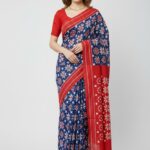
 Pochampally sarees
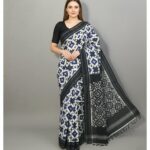 pochampally cotton Sarees
 pochampally silk sarees
 Double ikat saree
 Narayanpet sarees
 Kalyani Cotton Sarees
 kanjivaram sarees
 Patteda anchu sarees
 Kasuti Sarees
 NARAYANPET HALF SAREES
 Fancy sarees
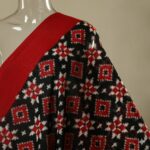 Cotton Suits
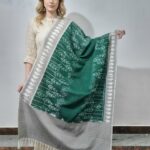 Mercerised duppatas
 Theliya dupattas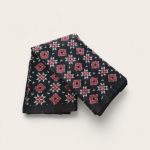
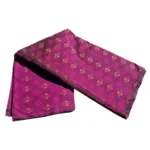 2/40 Cotton Fabric
 Double Ikat FABRIC
 Plain Fabric
 Pillow Covers
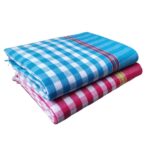
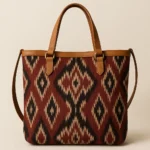

How to Identify Handloom and Powerloom Products: A Complete Buyer’s Guide

In today’s textile market, many products are marketed as handloom, even when they are not. For customers who value authenticity, tradition, and craftsmanship, knowing how to identify handloom and powerloom products is essential. This guide explains the key differences between handloom and powerloom fabrics in a clear, practical way so you can make informed buying decisions.
What Is Handloom Fabric?
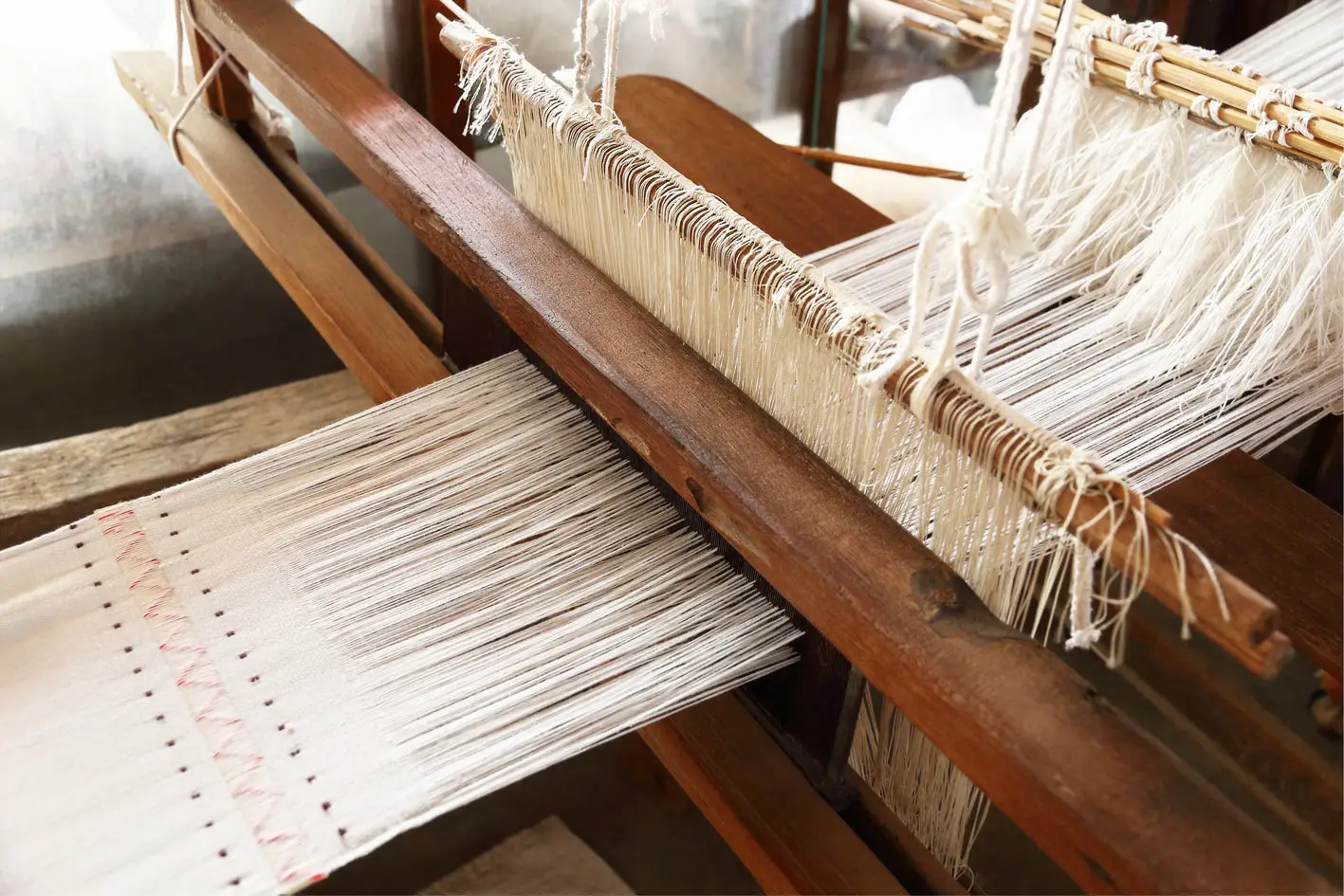
Handloom fabric is woven manually on traditional looms without the use of electricity. Every meter of fabric reflects the skill, patience, and artistry of a weaver. Slight variations in weave, texture, and color are not defects—they are proof of human craftsmanship.

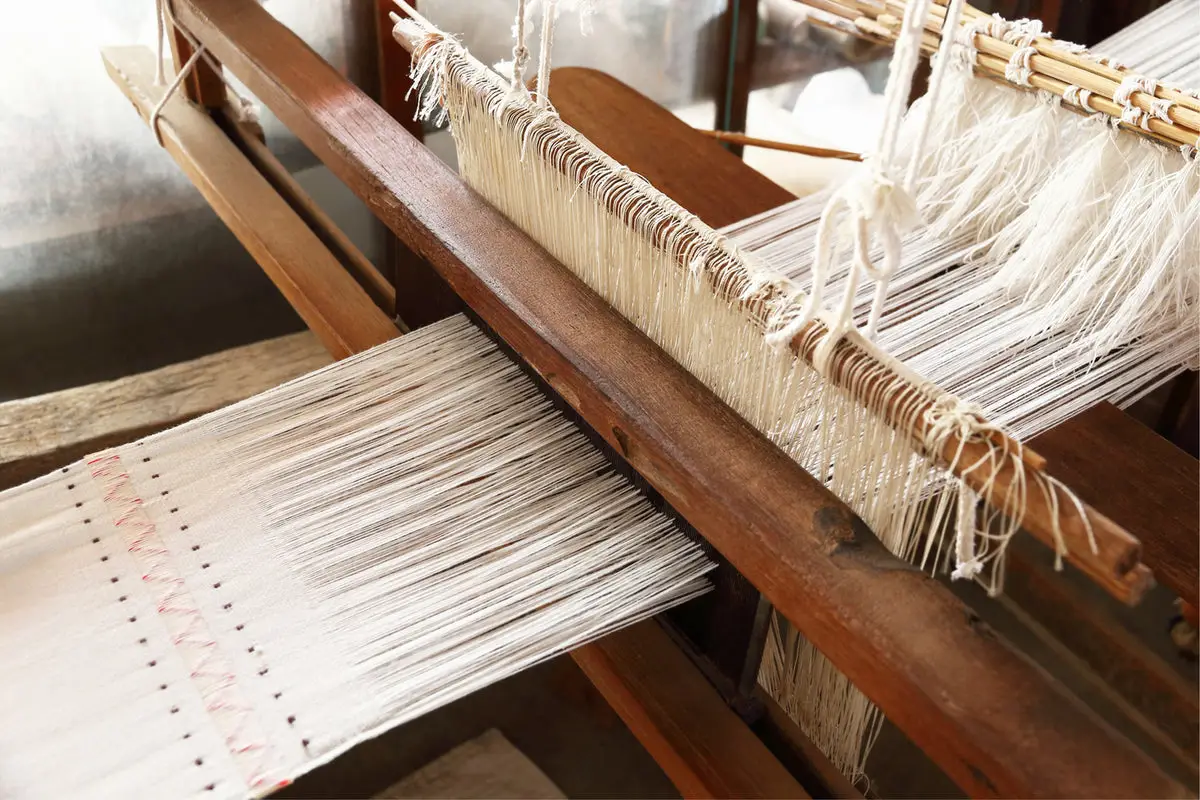
Key characteristics of handloom fabric:
- Woven using human effort, not machines
- Breathable and skin-friendly
- Unique texture with natural irregularities
- Supports artisan livelihoods and heritage
What Is Powerloom Fabric?
Powerloom fabric is produced using electrically operated machines. These looms are designed for speed and uniformity, making them suitable for mass production. While powerloom fabrics are affordable and consistent, they lack the individuality and cultural value of handloom textiles.
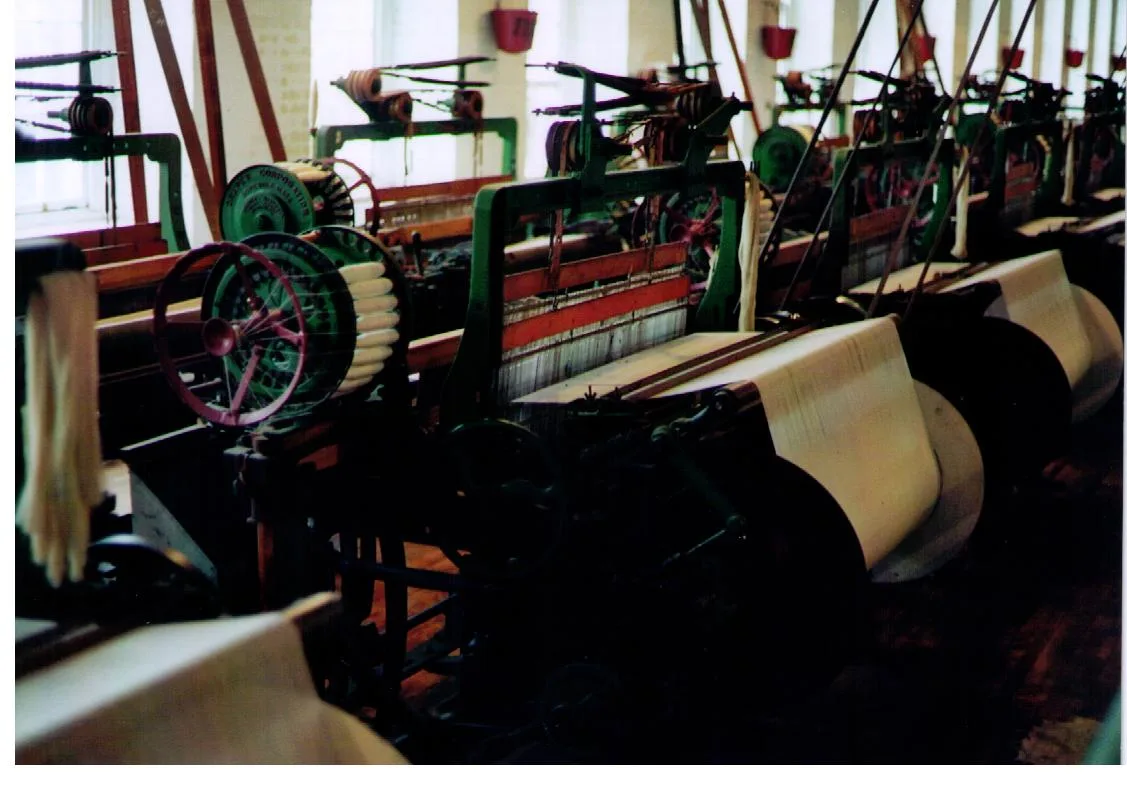
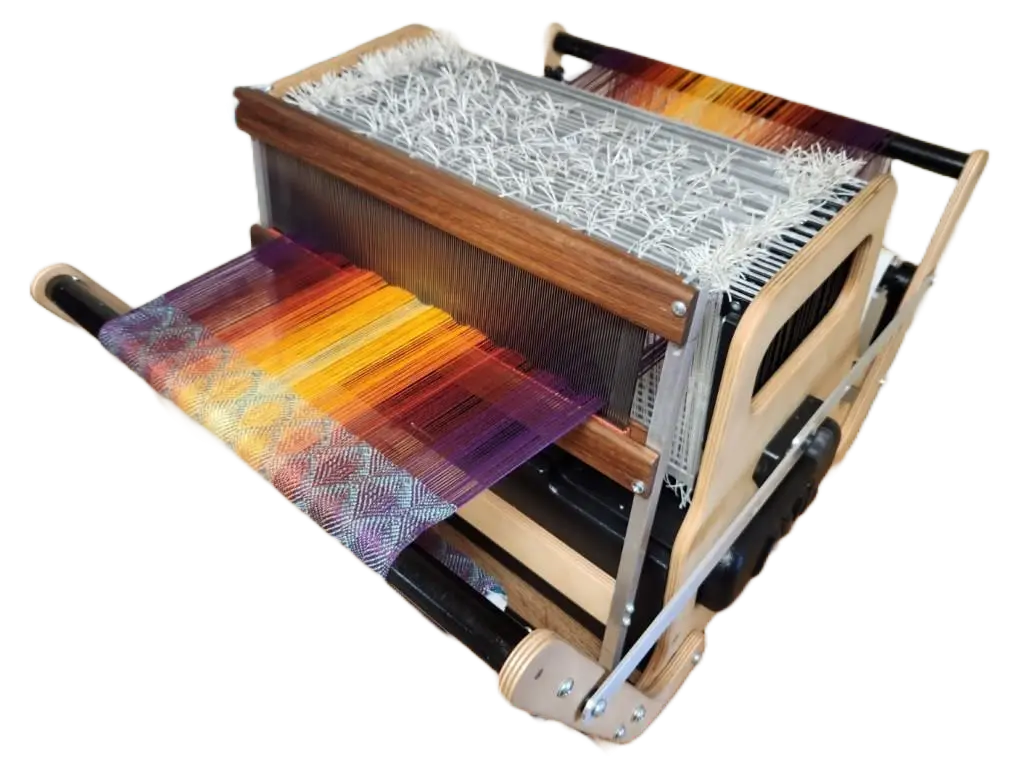
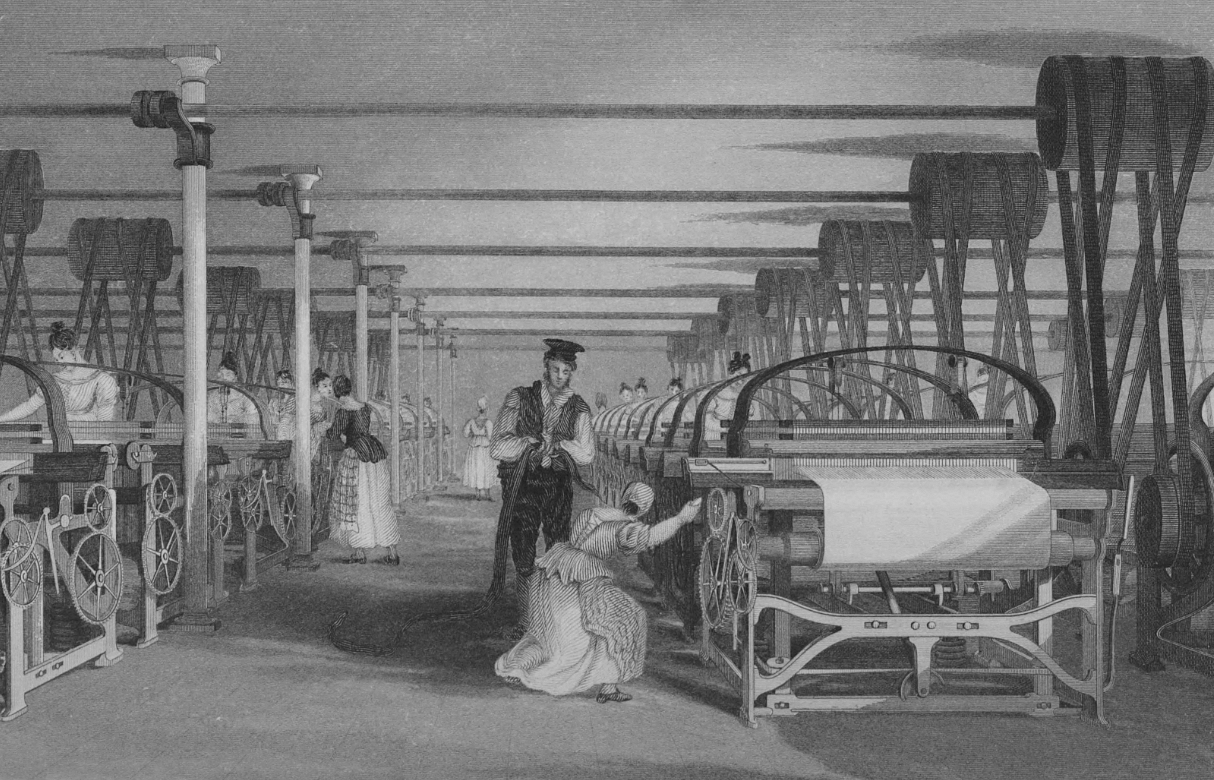
Key characteristics of powerloom fabric:
- Machine-made using electricity
- Perfectly uniform design and texture
- Faster production and lower cost
- Widely used for bulk commercial textiles
How to Identify Handloom and Powerloom Products
1. Check the Texture and Feel
Handloom fabric feels softer and more breathable because it is woven slowly by hand. Powerloom fabric usually feels smoother and sometimes stiffer due to machine tension and chemical finishing.
2. Look for Irregularities (They Are a Good Sign)
Small unevenness in motifs, minor color variations, or slightly uneven borders indicate authentic handloom weaving. Powerloom fabrics look almost identical throughout, with no variation.
3. Examine the Reverse Side of the Fabric
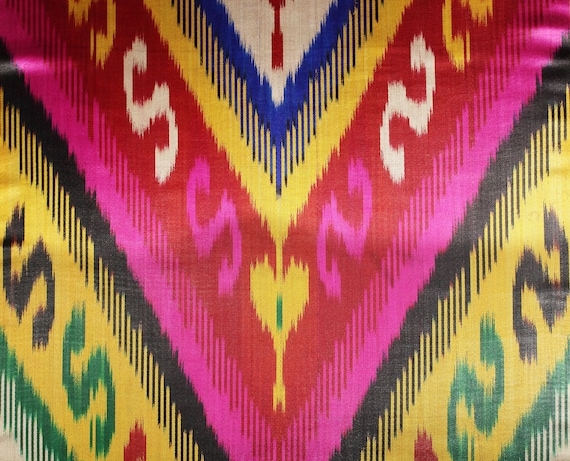
On handloom products, the reverse side often shows loose or tied threads, especially in ikat, jamdani, or extra-weft designs. Powerloom fabrics usually have a clean and identical front and back.
4. Price Comparison
Handloom products take significantly more time and labor to produce, so they are priced higher. If a product is extremely cheap but claimed as handloom, it is most likely powerloom.
5. Ask for Certification (Handloom Mark)
Genuine handloom products in India often carry a Handloom Mark or are sold by trusted weaver-owned brands. This certification ensures the product is made on a handloom.
6. Production Quantity Matters
Handloom production is limited and cannot be mass-produced quickly. If the same design is available in unlimited stock across multiple sellers, it is almost certainly powerloom.
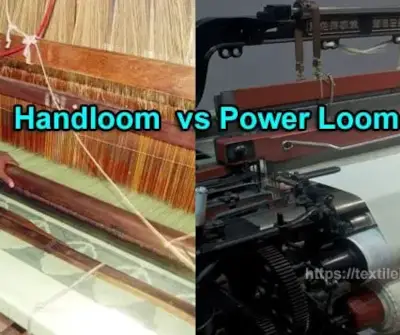
Handloom vs Powerloom: Quick Comparison Table
| Feature | Handloom | Powerloom |
|---|---|---|
| Weaving Method | Manual | Machine-operated |
| Electricity Use | No | Yes |
| Texture | Natural & breathable | Uniform & smooth |
| Uniqueness | Each piece is unique | Identical pieces |
| Price | Higher (artisan labor) | Lower (mass production) |
| Sustainability | Eco-friendly | Industrial |
Why Choosing Handloom Matters
Buying handloom is not just a purchase—it is a contribution to India’s weaving heritage. Every handloom product supports:
- Traditional weavers and rural livelihoods
- Sustainable, low-energy production
- Preservation of centuries-old textile techniques
When you choose handloom, you choose authenticity over imitation.
Final Thoughts
Understanding how to identify handloom and powerloom products empowers you to shop consciously and avoid misleading claims. Remember: slight imperfections, higher prices, and limited availability are signs of genuine handloom—not drawbacks.
At PAVANKUMARWEAVES, every product is direct-from-weaver, handwoven on traditional looms, and transparently described—so you always know what you are buying.