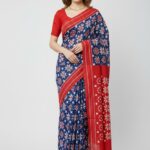
 Pochampally sarees
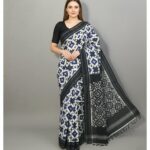 pochampally cotton Sarees
 pochampally silk sarees
 Double ikat saree
 Narayanpet sarees
 Kalyani Cotton Sarees
 kanjivaram sarees
 Patteda anchu sarees
 Kasuti Sarees
 NARAYANPET HALF SAREES
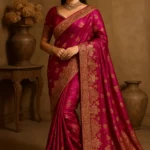 Fancy sarees
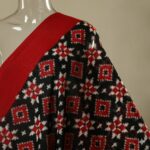 Cotton Suits
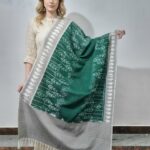 Mercerised duppatas
 Theliya dupattas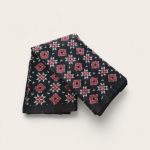
 2/40 Cotton Fabric
 Double Ikat FABRIC
 Plain Fabric
 Pillow Covers
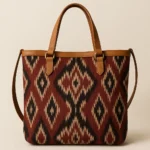

Double Ikat vs Single Ikat – A Buyer’s Guide to Authentic Indian Handloom Fabrics

Introduction: Why Double Ikat vs Single Ikat Confuses Buyers
If you love handloom textiles, you’ve likely fallen in love with the mesmerising patterns of ikat. But choosing between Double Ikat vs Single Ikat often leaves buyers confused. Which one is more valuable? Which fabric drapes better? Is the higher price of Double Ikat justified? This buyer-focused guide simplifies the differences, compares quality and price, and helps you decide which fabric best suits your wardrobe or home décor.
Key Differences Between Double Ikat and Single Ikat
The primary difference lies in how the warp and weft threads are tie-dyed before weaving. Both warp and weft threads carry patterns in Double Ikat, creating intricate designs on both sides of the fabric. Single Ikat patterns appear on only one side—either the warp or the weft. This makes Double Ikat technically challenging and rarer, hence more expensive.
Double Ikat weaves showcase complex geometrical designs and bold motifs. Single Ikat offers softer, less intricate patterns and is generally lighter in weight. Double Ikat fabrics feel denser because more threads are pre-dyed, while Single Ikat feels airier. When you run your hand over a Double Ikat saree or dupatta, you’ll notice the texture is more pronounced. In Single Ikat, the fabric surface feels smoother.
Pattern clarity differs too. In Double Ikat, the design appears equally sharp on both sides, a hallmark of true craftsmanship. Single Ikat designs can look faded on the reverse. Authentic Double Ikat is only produced in a few Indian locations like Gujarat (Patan) and Odisha (Bargarh), while Single Ikat weaving is more widespread across India.
Durability and drape matter to buyers. Double Ikat, owing to its high thread count and dense weave, often feels stiffer initially but softens beautifully over time. Single Ikat drapes more fluidly, making it ideal for lightweight sarees and scarves. Buyers seeking everyday wear might prefer Single Ikat for comfort, while Double Ikat suits special occasions and heirloom pieces.
Colour-fastness is another deciding factor. Since both warp and weft are dyed in Double Ikat, the colours are more saturated and long-lasting. Single Ikat colours may bleed slightly over time if not properly set. For buyers concerned with maintenance, Double Ikat requires gentle hand wash but retains vibrancy longer.
Another difference is cost. Double Ikat demands more labour and time, resulting in a higher price point. Single Ikat is comparatively affordable, making it accessible for first-time handloom buyers. However, price alone should not determine choice—understanding fabric quality, drape, and purpose is essential.
Which Ikat Fabric Should You Buy? – Buyer-Focused Comparison
Your lifestyle and intended use should guide your choice. If you need a lightweight daily wear saree or scarf, Single Ikat offers comfort, breathability, and easy draping. It’s perfect for warm climates and casual office wear. The patterns are subtle yet elegant, suitable for buyers who prefer understated style.
For wedding trousseaux, festive sarees, or statement home décor items, Double Ikat is unmatched. Its rich texture, bold motifs, and reversible design create a luxurious feel. Buyers who value craftsmanship and want pieces that last generations should invest in Double Ikat. Although the initial cost is higher, the longevity and timeless appeal make it worthwhile.
Consider the weaving origin. Authentic Double Ikat comes from Patan, Gujarat (famous for the Patola saree), and Bargarh, Odisha. Buyers should check for GI (Geographical Indication) tags to ensure authenticity. Single Ikat is produced across many regions, including Andhra Pradesh, Telangana, and Odisha. Always verify the source, as machine-made imitations flood the market.
Fabric weight and drape are practical concerns. If you need a fabric that flows gracefully around the body—like a saree or dupatta—Single Ikat drapes better. Double Ikat’s denser weave offers structure, ideal for dupattas, stoles, and even upholstery. Buyers planning to use the fabric for home décor (curtains, cushion covers) should lean towards Double Ikat for its durability and visual impact.
Pattern complexity is a style choice. Double Ikat motifs are intricate and often geometric, appealing to buyers who love detailed artistry. Single Ikat patterns are simpler, sometimes florals or abstract lines. If you’re a first-time buyer, start with Single Ikat to understand the feel and weave. Gradually, you can explore Double Ikat for heirloom pieces.
Common Buying Mistakes to Avoid
One common mistake is assuming all handloom ikat is genuine. Many commercial fabrics are printed with ikat-like patterns, lacking the woven texture. Always check for slight irregularities in the weave—true handloom ikat will not be perfectly uniform. Run your fingers over the fabric; if it feels too smooth or machine-like, it might be printed.
Another mistake is ignoring the fabric’s reverse side. For Single Ikat, the reverse may look faded. Inspect both sides before buying. If the design looks identical on both sides, it’s more likely to be Double Ikat (or a print). For Double Ikat, ensure the pattern is clear and not blurry; blurriness can indicate poor dyeing or weaving.
Buyers often overlook colour-fastness. Always ask the seller if the dyes are natural or chemical. Natural dyes are eco-friendly but may fade faster; chemical dyes offer brighter colours but require careful washing. Do a quick rub test with a damp white cloth to check for colour transfer.
Price negotiation without understanding labour costs is another pitfall. Double Ikat involves months of skilled work; underpaying disrespects the craft. Conversely, overpaying for machine-made prints is a waste. Research fair market prices and look for GI tags or weaver cooperative certifications.
Finally, many buyers buy without considering maintenance. Handloom ikat requires gentle care. Avoid harsh detergents and direct sunlight. For Double Ikat, occasional dry cleaning preserves the weave. For Single Ikat, hand wash in cold water and dry in shade. Always check care labels or ask the seller for washing instructions.
Products to Compare
When exploring Double Ikat vs Single Ikat, examining real products helps. Below are carefully curated examples that highlight differences in weave, pattern, and use.

These products showcase the distinct qualities of Double Ikat and Single Ikat. The Patola saree exemplifies dense weave and reversible patterns, while the cotton scarf highlights the lightweight drape of Single Ikat. The Bargarh fabric offers a middle ground with rich Odisha motifs.
Buying Tips for First-Time Buyers
Start with a small purchase like a scarf or dupatta to understand the fabric feel. Ask the seller about the weaver and region. Check for GI tags or cooperative labels. Compare prices across reputable handloom stores. Test drape and comfort before investing in expensive sarees.
Conclusion: Purchase Guidance for Double Ikat vs Single Ikat
Choose Single Ikat if you need lightweight, breathable fabrics for daily wear, or if you’re buying your first handloom piece. It offers comfort, subtle elegance, and affordability. Opt for Double Ikat when you want a luxurious, heirloom-quality item with intricate patterns and lasting durability. Consider your usage—daily wear versus special occasions—and verify authenticity through GI tags and weaver credentials. By understanding these differences, you can invest wisely in Indian handloom fabrics that reflect your style and support skilled artisans.