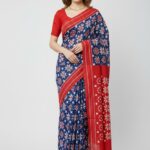
 Pochampally sarees
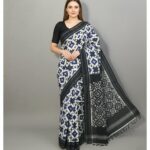 pochampally cotton Sarees
 pochampally silk sarees
 Double ikat saree
 Narayanpet sarees
 Kalyani Cotton Sarees
 kanjivaram sarees
 Patteda anchu sarees
 Kasuti Sarees
 NARAYANPET HALF SAREES
 Fancy sarees
 Cotton Suits
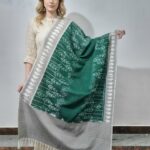 Mercerised duppatas
 Theliya dupattas
 2/40 Cotton Fabric
 Double Ikat FABRIC
 Plain Fabric
 Pillow Covers
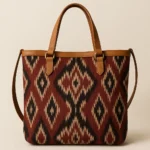


Choosing between double ikat and single ikat fabrics can be overwhelming for Indian home décor buyers. Many shoppers face the confusion of understanding which fabric offers better value, authenticity, and aesthetic appeal for their specific needs. This comprehensive guide will help you make an informed decision by comparing double ikat vs single ikat across key factors like craftsmanship, pricing, and styling versatility.
Double Ikat vs Single Ikat: Which Fabric Should You Buy?
Ikat textiles have been an integral part of Indian heritage for centuries, with states like Gujarat, Odisha, and Andhra Pradesh each boasting their unique ikat traditions. However, when you step into the market, you encounter two primary categories: single ikat and double ikat. The confusion often arises because both types showcase mesmerizing patterns, but they differ significantly in complexity, cost, and visual impact. Understanding these differences is crucial for making a purchase that aligns with your budget, aesthetic preferences, and appreciation for traditional craftsmanship.
As a buyer, you might be decorating your living room, selecting fabrics for ethnic wear, or searching for unique gift items. Each application demands different considerations. Double ikat, being more intricate, commands a premium price and is often reserved for special occasions or heirloom pieces. Single ikat, while still authentic, offers more accessibility and variety for everyday use. This guide will walk you through everything you need to know, from the weaving process to practical buying tips, ensuring you invest in the right type of ikat for your specific requirements.
Understanding the Basics: What is Single Ikat?
Single ikat is a textile weaving technique where only the warp threads (longitudinal threads on the loom) are resist-dyed before weaving, while the weft threads (horizontal threads) remain undyed. The weaver carefully interlaces these pre-dyed warp threads with plain weft threads to create intricate patterns. This technique is relatively simpler compared to double ikat, which requires both warp and weft threads to be dyed separately and then aligned perfectly during weaving.
Single ikat fabrics are known for their blurred, dreamy patterns where the colors seem to merge softly into the background. This characteristic is not a flaw but a distinctive feature of the craft. Popular single ikat varieties include Patola from Gujarat (though true Patola is double ikat, single ikat variants are common) and Ikkat from Odisha. The patterns often feature geometric shapes, flowers, and traditional motifs like elephants, diamonds, and paisleys.
For home décor enthusiasts, single ikat offers excellent versatility. You can find it in cushion covers, bedspreads, curtains, and even upholstery. The relatively lower cost makes it easier to experiment with bold patterns without a significant financial commitment. Additionally, single ikat fabrics are generally lighter in weight and more breathable, making them suitable for warm Indian climates.

What Makes Double Ikat Special?
Double ikat is the pinnacle of ikat weaving, a highly labor-intensive technique where both the warp and weft threads are resist-dyed separately before weaving. This process requires immense skill and precision, as the weaver must align the dyed patterns on both sets of threads to create a cohesive design. The result is a fabric with sharper, more defined patterns and richer color depth compared to single ikat.
The most renowned double ikat comes from Patan in Gujarat, known as Patola silk. Traditionally, Patola sarees were woven by the Salvi community and were considered a symbol of royalty and status. The motifs in double ikat often carry symbolic meanings, with designs like the “Nari Kunj” (vine with birds) or “Phulwadi” (flowering vine) being highly sought after. The double dyeing process also allows for more complex color combinations and intricate details that single ikat cannot achieve.
Due to the laborious process, double ikat is significantly more expensive and time-consuming to produce. A single Patola saree can take anywhere from a few weeks to several months to weave, depending on its complexity. This rarity and craftsmanship make double ikat a prized possession, often passed down through generations. For buyers, it represents not just a fabric but an investment in cultural heritage.

Key Differences Between Double Ikat and Single Ikat
Understanding the differences between double ikat and single ikat is essential for making an informed purchase. Below is a detailed comparison based on critical factors that influence a buyer’s decision:
- Weaving Process: In single ikat, only the warp threads are dyed, making the process less time-consuming. In double ikat, both warp and weft threads are dyed separately, requiring precise alignment during weaving. This makes double ikat approximately 5-10 times more labor-intensive than single ikat.
- Pattern Clarity: Double ikat fabrics feature sharper, more defined patterns because both sets of threads contribute to the design. Single ikat patterns are softer and slightly blurred, which is a hallmark of the craft. If you prefer crisp, intricate motifs, double ikat is the better choice.
- Cost: Double ikat is significantly more expensive due to the skilled labor and time involved. A single ikat fabric might cost a few hundred to a few thousand rupees per meter, while double ikat can range from ₹10,000 to over ₹1,00,000 for a saree. For budget-conscious buyers, single ikat offers better affordability.
- Versatility: Single ikat is more versatile for everyday use—think casual sarees, home décor items, or office wear. Double ikat is typically reserved for special occasions, heirloom pieces, or luxury décor due to its high cost and delicate nature.
- Authenticity and Rarity: Double ikat, especially Patola, is rarer and often comes with a certificate of authenticity. Single ikat is more widely produced, making it easier to find but also more susceptible to mass-produced imitations.
- Weight and Drape: Single ikat fabrics are generally lighter and more flexible, ideal for warm weather or casual drapes. Double ikat, especially in silk, has a richer, heavier drape suited for formal wear or statement décor pieces.
For home décor, single ikat is often preferred for its practicality and lower cost, allowing you to refresh your space seasonally. Double ikat, on the other hand, makes a bold statement—think a double ikat bedspread or curtain that becomes the focal point of a room.

Which Ikat Fabric Should You Buy?
The choice between double ikat and single ikat depends entirely on your purpose, budget, and personal preferences. Here’s a practical breakdown to help you decide:
Choose Single Ikat If:
- You’re on a budget but want authentic, handmade textiles.
- You need fabrics for everyday use—casual sarees, home décor, or office accessories.
- You prefer lighter, more breathable materials for warm climates.
- You want to experiment with bold patterns without a significant financial commitment.
For example, if you’re looking to add a touch of ikat to your living room, single ikat cushion covers or a table runner can instantly elevate your décor. Similarly, for office wear, a single ikat kurta or scarf offers a stylish yet affordable option.
Choose Double Ikat If:
- You’re investing in a special occasion garment, like a wedding saree or a ceremonial outfit.
- You value heirloom-quality pieces that can be passed down through generations.
- You want a statement décor item, such as a wall hanging or a luxurious bedspread.
- You appreciate the finer details of traditional craftsmanship and are willing to pay a premium for it.
For instance, a double ikat Patola saree is a timeless addition to a bridal trousseau, while a double ikat fabric can be framed as wall art in your living room, showcasing the artistry of the weave.

Common Buying Mistakes to Avoid
Even seasoned buyers can make mistakes when purchasing ikat fabrics. Here are some pitfalls to watch out for:
- Confusing Printed Ikat with Woven Ikat: Many mass-produced fabrics feature ikat-inspired prints but lack the texture and irregularities of handwoven ikat. Always check for the reverse side of the fabric—woven ikat will show the pattern on both sides, while prints are often visible only on the front.
- Overlooking Authenticity Certificates: For double ikat, especially Patola, ask for a certificate of authenticity. Reputable sellers, like government emporiums or trusted artisans, provide these to guarantee the fabric’s origin and craftsmanship.
- Ignoring Fabric Weight and Drape: Consider the fabric’s weight and drape for your intended use. Lightweight single ikat is ideal for summer wear or curtains, while heavier double ikat suits formal garments or statement décor.
- Falling for Unusually Low Prices: Authentic ikat, especially double ikat, is labor-intensive and thus commands a premium. If a deal seems too good to be true, it’s likely machine-made or synthetic. Always prioritize quality over cost.
- Not Checking for Colorfastness: Traditional ikat uses natural dyes, which may fade over time if not cared for properly. Ask the seller about dye fastness and follow care instructions to maintain the fabric’s vibrancy.
- Buying Without Considering Maintenance: Handwoven ikat fabrics often require gentle care—dry cleaning for silk or avoiding harsh detergents. Factor in maintenance costs before making a purchase.
By avoiding these mistakes, you can ensure that your ikat purchase is both authentic and valuable, whether for personal use or as a gift.
Styling Tips for Ikat Fabrics in Home Décor
Incorporating ikat into your home décor can add warmth, color, and a touch of traditional charm. Here are some practical styling ideas for both single and double ikat:
For Single Ikat:
- Mix and Match: Pair single ikat cushion covers with solid-colored upholstery or curtains to create a balanced look. Avoid overwhelming the space with too many patterns.
- Layer Textures: Combine ikat with other handloom fabrics like khadi or linen for a rustic, earthy feel. A single ikat throw blanket on a neutral sofa can add a pop of color.
- Small Accents: Start with small items like napkins, table runners, or lampshades to introduce ikat into your space without a major commitment.
For Double Ikat:
- Statement Pieces: Use double ikat as a focal point—a wall tapestry, a framed fabric art piece, or a luxurious bedspread. Let the intricate patterns shine by keeping the surrounding décor minimal.
- Traditional Fusion: Pair double ikat with modern furniture for a blend of old and new. A double ikat tablecloth on a sleek dining table creates a striking contrast.
- Heirloom Display: Showcase double ikat sarees or fabrics in glass cabinets or as part of a gallery wall, treating them as works of art.
Remember, ikat patterns are vibrant and often multicolored, so it’s best to let them take center stage. Complement them with neutral walls and furniture to avoid visual clutter.
Caring for Your Ikat Fabrics
Proper care ensures that your ikat fabrics retain their beauty and longevity. Here are some essential tips:
- Washing: Handwash in cold water with a mild detergent. Avoid wringing or twisting the fabric, as it can damage the fibers. For silk double ikat, dry cleaning is recommended.
- Drying: Dry in the shade to prevent colors from fading. Direct sunlight can harshen the natural dyes.
- Storage: Store in a cool, dry place away from moisture. Use muslin or cotton bags to protect the fabric from dust and pests. Avoid plastic covers, which can trap humidity.
- Ironing: Iron on a low setting while the fabric is slightly damp. Use a pressing cloth to protect the surface, especially for delicate double ikat.
- Handling Stains: Blot stains immediately with a damp cloth. Avoid rubbing, as it can spread the stain or damage the weave. For stubborn stains, consult a professional cleaner.
Regular care not only maintains the fabric’s appearance but also preserves its cultural and monetary value over time.
Where to Buy Authentic Ikat Fabrics
Finding genuine ikat fabrics requires knowing where to shop. Here are some trusted sources:
- Government Emporiums: Stores like Central Cottage Industries Emporium (CCIE) or state handicraft emporiums offer certified authentic ikat fabrics. These are reliable for both single and double ikat.
- Direct from Artisans: Visiting weaving clusters like Pochampally in Telangana or Patan in Gujarat allows you to buy directly from weavers. This ensures authenticity and supports local communities.
- Reputable Online Platforms: Websites like GoCoop, iTokri, and Amazon India’s handicraft sections feature verified sellers. Always check reviews and product descriptions for authenticity.
- Handicraft Exhibitions: Events like Dastkar or Surajkund Crafts Mela showcase a wide range of ikat fabrics from various regions, often at competitive prices.
When shopping online, look for detailed product descriptions, customer reviews, and seller ratings. For double ikat, prioritize platforms that provide certificates of authenticity.
Investing in ikat fabrics, whether single or double, is about more than just purchasing a textile—it’s about owning a piece of India’s rich cultural tapestry. By understanding the differences between double ikat and single ikat, avoiding common mistakes, and knowing where to shop, you can make a purchase that aligns with your needs and budget. Whether you’re draping a single ikat saree for a casual outing or displaying a double ikat masterpiece in your home, each weave tells a story of craftsmanship and heritage. Choose wisely, care for your fabrics, and let the timeless beauty of ikat enrich your life.