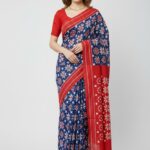
 Pochampally sarees
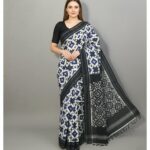 pochampally cotton Sarees
 pochampally silk sarees
 Double ikat saree
 Narayanpet sarees
 Kalyani Cotton Sarees
 kanjivaram sarees
 Patteda anchu sarees
 Kasuti Sarees
 NARAYANPET HALF SAREES
 Fancy sarees
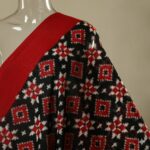 Cotton Suits
 Mercerised duppatas
 Theliya dupattas
 2/40 Cotton Fabric
 Double Ikat FABRIC
 Plain Fabric
 Pillow Covers
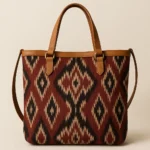


Are you confused about choosing between Double Ikat and Single Ikat fabrics for your next purchase? You are not alone. Many buyers struggle to understand the real differences, value, and applications of these traditional Indian handlooms. This guide will solve your confusion and help you make an informed, confident decision.
Double Ikat vs Single Ikat: The Ultimate Buyer’s Guide to Choosing the Perfect Handloom Fabric
Ikat is a revered handloom technique that has adorned Indian textiles for centuries. Known for its vibrant patterns and intricate craftsmanship, Ikat fabric is a symbol of cultural heritage and skilled artistry. However, when it comes to buying Ikat, the most common dilemma buyers face is choosing between Double Ikat and Single Ikat. Which one offers better value? Which is suitable for your purpose? And how do you avoid common buying mistakes?
In this comprehensive guide, we will break down the key differences between Double Ikat and Single Ikat, compare their value, and help you decide which fabric is the right choice for your needs. We will also cover common mistakes to avoid so that your next handloom purchase is both rewarding and authentic.
What is Ikat Fabric? A Quick Introduction
Ikat is not just a fabric; it is an ancient resist-dyeing technique applied to threads before weaving. The word “Ikat” comes from the Malay word ‘mengikat,’ meaning to tie or bind. The artisans tie and dye portions of the yarn to create intricate patterns, which are then woven into fabric. This process is labor-intensive and requires immense skill, making Ikat a premium handloom product.
There are two main types of Ikat prevalent in India: Single Ikat and Double Ikat. While both celebrate the same art form, they differ significantly in technique, appearance, cost, and complexity. Understanding these differences is crucial for making the right purchase decision.
Key Differences Between Double Ikat and Single Ikat
When comparing Double Ikat vs Single Ikat, the primary difference lies in the complexity of the dyeing process. Let’s explore the main distinctions:
1. Technique and Complexity
Single Ikat: In Single Ikat, only the warp (longitudinal threads) or the weft (latitudinal threads) is tie-dyed before weaving. The other set of threads remains plain. This makes the process relatively simpler, faster, and less expensive. The patterns in Single Ikat appear blurred or hazy because the undyed threads are interlaced with the dyed ones.
Double Ikat: In Double Ikat, both the warp and the weft threads are tie-dyed individually before weaving. This is an extremely complex and time-consuming process, requiring extraordinary precision. The result is a fabric with sharp, distinct patterns on both sides. Double Ikat is considered the pinnacle of Ikat craftsmanship and is rare and highly valued.
2. Visual Appearance and Patterns
Single Ikat typically features simpler, more fluid patterns. The designs may appear slightly blurred due to the way the dyed and undyed threads interact. It is perfect for everyday wear, light upholstery, and casual décor items.
Double Ikat, on the other hand, displays crisp, geometric, and intricate patterns. The designs are symmetrical and visible on both sides of the fabric. This makes it ideal for special occasions, luxury garments, and high-end home décor.
3. Cost and Value
Single Ikat is more affordable due to the simpler dyeing process and shorter production time. It offers excellent value for buyers looking for authentic handloom fabric without a high price tag.
Double Ikat is significantly more expensive. The immense labor, skill, and time invested in the double dyeing process justify its premium cost. It is considered an investment in artistry and heritage.
4. Regional Variations
In India, Single Ikat is produced in various regions, with Odisha Ikat, Andhra Pradesh (Pochampally) Ikat, and Gujarat Ikat being well-known. Double Ikat is primarily associated with Patola silk from Gujarat and Rajasthani Double Ikat. Patola Double Ikat, in particular, is renowned for its precision and is often called the “queen of Ikat.”
Product Showcase: To help you visualize the difference, consider exploring authentic handloom options like this beautiful Single Ikat saree from Odisha or a luxurious Patola Double Ikat saree from Gujarat. The texture and pattern clarity will immediately highlight the contrast.


Single Ikat vs Double Ikat: Which Ikat Fabric Should You Buy?
Deciding between Single and Double Ikat depends on your purpose, budget, and personal preference. Here’s a practical guide to help you choose:
For Daily Wear and Casual Use
If you are looking for fabrics for daily wear sarees, kurtas, dupattas, or casual home linens like cushion covers and table runners, Single Ikat is the perfect choice. It is durable, comfortable, and offers authentic Ikat aesthetics at an affordable price. Its slightly blurred patterns add a rustic charm that works well for everyday elegance.
For example, a cotton Single Ikat kurta is ideal for office wear or casual outings. It is breathable, easy to maintain, and showcases traditional craftsmanship without being overly formal.

For Special Occasions and Luxury Gifting
If you need a fabric for weddings, festivals, or as a heirloom gift, Double Ikat is unmatched. Its intricate patterns, vibrant colors, and the prestige of owning a rare handloom masterpiece make it worth the investment. Double Ikat sarees, especially in silk, are cherished possessions passed down through generations.
A Double Ikat silk saree is perfect for brides, festive wear, or as a luxurious gift for someone special. The sharp patterns and rich texture elevate any occasion.

For Home Décor
For home décor, Single Ikat is versatile and budget-friendly. It can be used for curtains, upholstery, bedspreads, and table linens. Its patterns add a pop of color and cultural touch to modern interiors.
Double Ikat is best reserved for statement pieces like a framed wall hanging, a luxury cushion cover set, or a centerpiece tablecloth. It adds a regal touch to your décor but should be used sparingly to highlight its artistry.


Consider Your Budget
Single Ikat is generally 30-50% more affordable than Double Ikat. If you are a first-time buyer or experimenting with Ikat, start with Single Ikat. It offers a great introduction to the craft without a heavy financial commitment.
Double Ikat is a premium investment. If budget is not a constraint and you appreciate fine craftsmanship, go for it. Always buy from certified handloom weavers or government-recognized stores to ensure authenticity and fair pricing.
Common Buying Mistakes to Avoid
Buying Ikat, especially online, can be tricky. Here are common mistakes buyers make and how to avoid them:
1. Confusing Printed Ikat with Handloom Ikat
Many commercial fabrics feature Ikat-like patterns printed on machine-made cloth. These are not genuine handloom Ikat. Handloom Ikat has slight irregularities in patterns, which are a sign of authenticity. Always check for the handloom mark or buy from trusted sources.
2. Ignoring Fabric Quality
Cheap Ikat imitations often use low-quality cotton or synthetic blends that wear out quickly. Authentic Ikat uses high-quality threads—cotton, silk, or silk blends. Feel the fabric; genuine handloom Ikat will have a smooth yet sturdy texture.
3. Not Verifying the Source
Always buy from reputed sellers, government emporiums, or direct weaver cooperatives. This ensures you get authentic products and support the artisans directly. Avoid street vendors or unknown online sellers without reviews.
4. Overlooking the Pattern Clarity
In Double Ikat, patterns should be crisp and visible on both sides. In Single Ikat, the patterns may be slightly blurred, but they should not look faded or uneven. Poor clarity can indicate low-quality dyeing or printing.
5. Not Considering Maintenance
Handloom Ikat, especially silk, requires gentle care. Always check care labels. Single Ikat cotton is easier to maintain, while Double Ikat silk may require dry cleaning. Factor this into your decision.
How to Authenticate Your Ikat Purchase
To ensure you are buying genuine Ikat:
- Look for the Handloom Mark or certification from the Ministry of Textiles, Government of India.
- Check for slight irregularities in the pattern—perfect symmetry often indicates printing.
- Ask about the weaver’s origin. Famous Ikat regions include Odisha, Andhra Pradesh, Gujarat, and Rajasthan.
- Read reviews and buy from platforms that specialize in handloom products.
For example, this certified Odisha Ikat dupatta comes with a handloom mark and details of the weaver, ensuring authenticity and quality.

Final Decision: Double Ikat vs Single Ikat – Which One is Right for You?
Now that you understand the key differences, let’s summarize to help you decide:
- Choose Single Ikat if you want affordable, everyday elegance. It is perfect for daily wear, casual home décor, and first-time Ikat buyers. It offers great value and authentic craftsmanship.
- Choose Double Ikat if you seek luxury, intricate patterns, and are investing in a special occasion or heirloom piece. It is ideal for weddings, festive wear, and statement décor items.
Remember, both Single and Double Ikat are products of skilled artisans and traditional techniques. Your choice should align with your purpose, budget, and appreciation for the craft.
Conclusion: Make a Confident, Informed Purchase
The debate between Double Ikat vs Single Ikat is not about which is better, but which is better for you. Single Ikat offers accessibility and everyday beauty, while Double Ikat represents the zenith of handloom artistry. By understanding the techniques, visual differences, and value propositions, you can avoid common mistakes and make a purchase that you will cherish.
Whether you choose the vibrant simplicity of Single Ikat or the majestic complexity of Double Ikat, you are supporting India’s rich handloom heritage. Start your journey today by exploring authentic options like a Single Ikat saree for daily wear or a Double Ikat masterpiece for your next celebration. Your purchase is not just a fabric; it is a piece of art, a story of weavers, and a step towards sustainable fashion.
Make your choice wisely, and enjoy the timeless beauty of Ikat!