 Pochampally sarees
 pochampally cotton Sarees
 pochampally silk sarees
 Double ikat saree
 Narayanpet sarees
 Kalyani Cotton Sarees
 kanjivaram sarees
 Patteda anchu sarees
 Kasuti Sarees
 NARAYANPET HALF SAREES
 Fancy sarees
 Cotton Suits
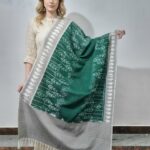 Mercerised duppatas
 Theliya dupattas
 2/40 Cotton Fabric
 Double Ikat FABRIC
 Plain Fabric
 Pillow Covers
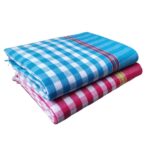
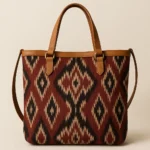

Double Ikat vs Single Ikat: Which Fabric Should You Buy?

Introduction
Are you confused between Double Ikat and Single Ikat fabric? You are not alone. Many buyers—whether shopping for sarees, dress materials, or home décor—face this common dilemma. Both types of Ikat are beautiful and deeply rooted in Indian heritage, but they differ in weaving technique, cost, and final look. The biggest problem? Without clear guidance, you may end up spending more than needed or buying a fabric that doesn’t match your expectations. This buyer-focused guide will help you understand the real differences, decide which Ikat fabric suits your needs, and avoid common buying mistakes. Let’s make your next purchase confident and value-packed.
What Is Ikat? A Quick Primer
Ikat is a resist-dyeing technique where threads are tie-dyed before weaving to create intricate patterns. The magic happens when the dyed threads are carefully aligned on the loom to form precise designs. Originating in India, Ikat is popular in states like Gujarat, Odisha, and Andhra Pradesh. There are two main types: Single Ikat and Double Ikat. Both produce stunning results, but the process, effort, and price differ significantly. Understanding these basics will help you appreciate the value and make a smarter buying decision.
Key Differences Between Double Ikat and Single Ikat
The main difference lies in how many sets of threads are tie-dyed. In Single Ikat, only the warp (lengthwise) or weft (crosswise) threads are dyed. In Double Ikat, both warp and weft are tie-dyed. This makes Double Ikat much more complex, time-consuming, and expensive. The designs in Double Ikat are crisper and more intricate because alignment is done twice. Single Ikat patterns are slightly softer and often simpler. When you hold a Double Ikat fabric, you’ll notice the symmetry and precision are unmatched. Single Ikat, while beautiful, is more accessible and budget-friendly. If you’re buying for daily wear or light décor, Single Ikat is practical. For special occasions or heirloom pieces, Double Ikat offers unmatched craftsmanship.
Double Ikat vs Single Ikat: Price and Value Comparison
Price is a major factor for most buyers. Double Ikat fabric price is typically higher due to the labor-intensive process. A Single Ikat saree may cost anywhere from ₹2,000 to ₹10,000, while Double Ikat can start at ₹10,000 and go well beyond ₹50,000 depending on complexity. If you’re on a budget, Single Ikat offers great value and authenticity without stretching your wallet. However, if you want a showstopper piece for a wedding or gifting, Double Ikat justifies its premium with its uniqueness and durability. Always compare prices, but remember: very cheap Ikat may be machine-printed, not handwoven. Look for genuine handloom certifications to ensure you’re paying for real craftsmanship.

Which Ikat Fabric Should You Buy?
Your choice depends on budget, purpose, and personal style. For office wear, daily clothing, or casual home décor like cushion covers, Single Ikat is practical and elegant. It offers the handloom charm at a friendlier price point. For festive wear, bridal trousseau, or statement furniture upholstery, Double Ikat makes a bold statement. The fabric’s weight and durability also matter. Double Ikat is often sturdier due to the dual-dye process, making it ideal for heavy-use items. If you value intricate patterns and don’t mind the investment, go for Double Ikat. If you want versatility and ease of maintenance, Single Ikat fits perfectly.

How to Identify Authentic Ikat Fabric
Authentic handloom Ikat has a few tell-tale signs. First, look at the back of the fabric. You’ll see slight irregularities and extra threads—proof of hand weaving. Machine-printed fakes look perfect on both sides. Second, examine the pattern closely. Real Ikat designs have a “blur” or feathered edge where colors blend; this is due to the dye resisting the thread. Third, check the selvedge (fabric edge). Handloom Ikat often has woven borders with the weaver’s signature or marker. Finally, ask for a GI (Geographical Indication) tag where applicable, like Pochampally Ikat or Patola. Buying from trusted handloom platforms or government emporiums reduces the risk of counterfeits.

Common Buying Mistakes to Avoid
Many buyers make avoidable errors when purchasing Ikat. Here are the top mistakes and how to prevent them:
1. Confusing print with weave: Do not buy machine-printed “Ikat look” fabrics at handloom prices. Always verify if it’s woven.
2. Ignoring fabric weight: Lightweight Ikat is great for summers, but heavy Double Ikat is better for upholstery or winter wear.
3. Overlooking care instructions: Handloom fabrics need gentle washing. Ask about maintenance before buying.
4. Falling for too-low prices: If a Double Ikat saree is priced under ₹5,000, it’s likely not genuine. Authenticity costs money.
5. Not checking GI tags: Some Ikat types are legally protected. Buying certified products ensures quality and supports genuine artisans.
6. Forgetting purpose: Don’t buy delicate Ikat for daily rough use; instead, choose sturdy Single Ikat for frequent wear.

Ikat for Home Décor: Single vs Double
Ikat isn’t just for clothing; it’s a star in home décor. For bedspreads, curtains, and table runners, both Single and Double Ikat add vibrant charm. Single Ikat is lighter and easier to maintain, making it ideal for everyday items. Double Ikat, with its dense weave and bold motifs, works beautifully for statement pieces like sofa covers or wall hangings. If you’re redecorating on a budget, mix Single Ikat accents with solids. For a luxurious, coordinated look, invest in a Double Ikat bedspread or runner. Remember, Ikat fabric softens with washing, so consider this when selecting items for high-traffic areas.
Care and Maintenance: Getting Years from Your Ikat
Proper care ensures your Ikat lasts for generations. Always wash handloom Ikat in cold water with mild detergent. Avoid harsh chemicals and direct sunlight for drying. For Double Ikat, gentle hand wash is best; for lighter Single Ikat, a delicate machine cycle may work. Store Ikat in a dry, cool place, preferably wrapped in cotton or muslin to prevent color bleeding. Iron on low heat from the reverse side. If you’re buying for gifting, include care instructions. Well-maintained Ikat fabrics become softer and more beautiful over time, making them true heirloom pieces.
Final Buying Guide: Which Ikat Is Right for You?
Choosing between Double Ikat and Single Ikat comes down to three factors: budget, purpose, and appreciation for craftsmanship. If you want an affordable, daily-wear fabric with authentic handloom appeal, Single Ikat is your best friend. If you’re looking for a showpiece, heirloom, or luxury gifting option, Double Ikat’s complexity and beauty justify the premium. Always buy from credible sources, check for GI tags, and understand the care routine. In the end, both fabrics celebrate India’s rich weaving tradition—pick the one that aligns with your needs and values. Happy shopping!

Conclusion
When it comes to Double Ikat vs Single Ikat, there’s no wrong choice—only the right fit for your needs. For everyday elegance, value, and ease, Single Ikat is ideal. For luxury, tradition, and a statement of craftsmanship, Double Ikat stands apart. Use this guide to compare prices, spot fakes, and avoid common mistakes. Ready to buy? Explore trusted handloom collections, check for authenticity, and invest in fabric that tells a story. Whether you choose Single or Double, every Ikat purchase supports skilled weavers and brings timeless Indian artistry into your life.