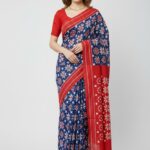
 Pochampally sarees
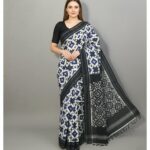 pochampally cotton Sarees
 pochampally silk sarees
 Double ikat saree
 Narayanpet sarees
 Kalyani Cotton Sarees
 kanjivaram sarees
 Patteda anchu sarees
 Kasuti Sarees
 NARAYANPET HALF SAREES
 Fancy sarees
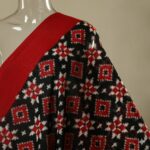 Cotton Suits
 Mercerised duppatas
 Theliya dupattas
 2/40 Cotton Fabric
 Double Ikat FABRIC
 Plain Fabric
 Pillow Covers

Double Ikat vs Single Ikat: Which Indian Handloom Fabric Should You Choose?

Introduction
Are you planning to buy authentic Indian handloom fabric and feeling confused between double ikat and single ikat? You are not alone. Many buyers love the beauty of ikat textiles but struggle to understand the differences in weaving, price, durability, and visual appeal. Whether you are shopping for a special saree, kurta, or home décor, making the wrong choice can lead to disappointment or overspending. This buyer-focused guide will explain everything in simple terms. You will learn the key differences between double ikat and single ikat, get practical buying advice, and discover how to avoid common mistakes. By the end, you will know exactly which ikat fabric suits your needs and budget.
What is Ikat? A Quick Overview
Ikat is a traditional resist-dyeing technique used in India and many parts of Asia. The word “ikat” comes from the Malay word “mengikat,” meaning to tie or bind. In this craft, yarns are tightly tied at specific points before dyeing. When the ties are removed and the yarn is woven, beautiful patterns emerge. The magic of ikat lies in its slightly blurred edges, which gives the fabric a unique, artistic look.
In India, ikat is most famous in Odisha (Sambalpuri ikat), Gujarat (Patola ikat), and Andhra Pradesh (Pochampally ikat). Each region has its own style, but the core process remains the same. Now, let’s look at the two main types: single ikat and double ikat.
Key Differences Between Double Ikat and Single Ikat
Understanding the difference between double ikat and single ikat is crucial for making an informed purchase. Here are the main factors that set them apart:
**1. Weaving Complexity**
– **Single Ikat**: In this type, only the warp (vertical threads) or the weft (horizontal threads) is tie-dyed before weaving. The other set of threads remains plain. This makes the weaving process relatively simpler and faster.
– **Double Ikat**: Here, both warp and weft threads are tie-dyed separately to create patterns. This is an extremely time-consuming and skill-intensive process. Only a few weaving communities in India, such as those in Odisha and Gujarat, produce authentic double ikat.
**2. Visual Appeal**
– **Single Ikat**: The designs are usually bold and clear on one side of the fabric. The patterns may appear slightly blurred, which is part of the charm.
– **Double Ikat**: The designs appear on both sides of the fabric with equal clarity. The motifs are more intricate, and the overall look is highly symmetrical and rich.
**3. Cost and Exclusivity**
– **Single Ikat**: Because it is easier to make, single ikat is more affordable and widely available. You can find it in sarees, dress materials, and even home textiles.
– **Double Ikat**: The complexity and manual labor make double ikat much more expensive. Patola silk from Gujarat, for example, is considered a luxury item and can cost lakhs for a single saree.
**4. Durability and Feel**
– **Single Ikat**: Usually lighter and softer, making it ideal for daily wear or casual clothing.
– **Double Ikat**: Often woven on silk or fine cotton, double ikat feels richer and more luxurious. It is also more durable due to the density of the weave.

How to Identify Real Ikat Fabric
With growing demand, many machine-made imitations flood the market. Here are some simple tips to spot genuine handloom ikat:
– **Look for Pattern Imperfections**: Real ikat has slight irregularities in the design. If the pattern looks too perfect, it may be machine-printed.
– **Check Both Sides**: In double ikat, the pattern appears on both sides. In single ikat, you may see the design only on one side or with less clarity on the reverse.
– **Feel the Yarn**: Authentic ikat uses natural fibers like cotton or silk. The fabric should feel soft, not synthetic or overly stiff.
– **Ask for Handloom Certification**: Many Indian states provide government-certified handloom tags. Look for these when buying from stores or online.

Which Ikat Fabric Should You Buy?
This is the most common question buyers ask. The answer depends on your needs, budget, and personal style. Let’s break it down:
**For Daily Wear and Casual Outfits**
– Choose single ikat cotton or silk-cotton blends. These are lightweight, breathable, and affordable. You can find beautiful single ikat sarees, kurtas, and dupattas that are perfect for work or casual outings.
**For Special Occasions and Gifts**
– If you want something truly special, invest in double ikat. A double ikat saree or stole makes an excellent gift for weddings, anniversaries, or festivals. The intricate designs and rich texture will stand out.
**For Home Décor**
– Single ikat is great for cushion covers, curtains, and table runners. It adds a touch of tradition without being too heavy on the pocket. Double ikat is best reserved for statement pieces like wall hangings or luxury bedspreads.
**Budget Considerations**
– Single ikat: ₹1,500 to ₹8,000 for sarees, depending on material and complexity.
– Double ikat: Starts at ₹10,000 and can go up to several lakhs for premium silk Patola or Sambalpuri sarees.

Common Buying Mistakes to Avoid
Even experienced buyers can make errors when purchasing ikat. Here are the top mistakes and how to avoid them:
**1. Falling for Cheap Imitations**
– Many sellers offer printed fabrics as “ikat.” Always check for the tell-tale signs of handloom weaving. If the price seems too good to be true, it probably is.
**2. Ignoring Fabric Quality**
– Some buyers focus only on the pattern and ignore the fabric. Always feel the material. Pure cotton or silk ensures comfort and longevity.
**3. Not Checking the Blurriness**
– Ikat is known for its slightly blurred edges. If the design is sharp and crisp, it may not be genuine ikat. Embrace the natural imperfections.
**4. Overlooking Weave Density**
– A tightly woven fabric lasts longer. Hold the fabric against light; if it looks too loose, it may wear out quickly.
**5. Buying Without Knowing the Origin**
– Different regions produce different styles. Know what you are buying—Sambalpuri from Odisha, Patola from Gujarat, or Pochampally from Telangana. Each has a unique identity.

Caring for Your Ikat Fabrics
To keep your ikat looking beautiful for years, follow these care tips:
– **Washing**: Hand wash in cold water with mild detergent. Avoid harsh chemicals or machine washing, as it can cause colors to bleed.
– **Drying**: Dry in shade, away from direct sunlight. This prevents fading.
– **Ironing**: Use low to medium heat. Always iron on the reverse side to protect the patterns.
– **Storage**: Store in a cool, dry place. Use muslin cloth to wrap delicate sarees and avoid plastic covers that trap moisture.
Conclusion: Making the Right Choice for You
Choosing between double ikat and single ikat comes down to your budget, purpose, and personal taste. If you want a lightweight, affordable fabric for everyday use, single ikat is a smart choice. It offers authentic handloom beauty without breaking the bank. If you are looking for a luxurious, heirloom-quality piece that showcases the highest level of craftsmanship, double ikat is worth the investment.
Remember to buy from trusted handloom sellers, check for authenticity, and care for your fabrics properly. By understanding these key differences, you can confidently invest in Indian ikat that suits your needs and supports traditional artisans. Happy shopping