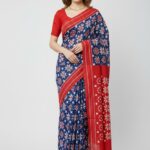
 Pochampally sarees
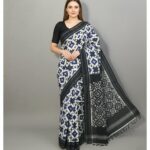 pochampally cotton Sarees
 pochampally silk sarees
 Double ikat saree
 Narayanpet sarees
 Kalyani Cotton Sarees
 kanjivaram sarees
 Patteda anchu sarees
 Kasuti Sarees
 NARAYANPET HALF SAREES
 Fancy sarees
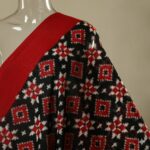 Cotton Suits
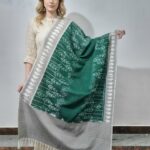 Mercerised duppatas
 Theliya dupattas
 2/40 Cotton Fabric
 Double Ikat FABRIC
 Plain Fabric
 Pillow Covers

Double Ikat vs Single Ikat: Which Fabric Should You Buy?

Confused between double ikat and single ikat fabrics? You’re not alone. Many buyers love the timeless beauty of ikat textiles but struggle to choose the right fabric for their needs. The wrong choice can mean spending more money on a fabric that doesn’t suit your project, or worse, getting a design that looks nothing like what you imagined. This guide will solve that problem by breaking down the key differences between double ikat and single ikat, helping you make an informed decision that matches your budget, style, and purpose.
Understanding Ikat: The Basics
Ikat is a resist-dyeing technique where threads are dyed before weaving to create beautiful patterns. The magic happens in how the dyeing process is applied. In single ikat, only the warp threads (vertical threads) are dyed, while in double ikat, both warp and weft threads (horizontal threads) are dyed. This fundamental difference creates very different visual effects and price points. Think of it like this: single ikat is like painting on a prepared canvas, while double ikat is like pre-planning every detail before the final picture emerges.
Key Differences Between Double Ikat and Single Ikat
The most striking difference lies in the complexity and cost. Double ikat is significantly more intricate because it requires precise alignment of both dyed warp and weft threads. This alignment demands exceptional skill and time, making double ikat fabrics rarer and more expensive. Single ikat, while still requiring craftsmanship, is more forgiving and faster to produce, making it more accessible and affordable.
Visual appearance is another major distinction. Double ikat creates designs where patterns appear on both sides of the fabric with equal clarity, and the motifs often have a “blurred” or “hazy” effect that’s characteristic of traditional ikat. Single ikat typically shows crisp patterns on one side, with the reverse side appearing softer or less defined. The complexity of designs also varies – double ikat allows for more intricate, all-over patterns, while single ikat often features simpler, more spaced motifs.
Regional specialties matter too. While ikat is made in many countries, India’s Gujarat and Odisha produce exceptional double ikat known as “patola” and “sambalpuri” respectively. Single ikat is more common across various regions including Andhra Pradesh and Telangana (Pochampally), making it more widely available in the market.

Which Ikat Fabric Should You Buy?
For special occasions and heirloom pieces, double ikat is unmatched. Its prestige and craftsmanship make it perfect for wedding wear, formal events, or when you want a truly special saree that can be passed down generations. The investment makes sense when you consider the artistry and the fact that genuine double ikat (like Patola) can appreciate in value over time. If you’re buying for a once-in-a-lifetime event or as a family investment piece, double ikat’s rarity and beauty justify the premium.
For everyday elegance and contemporary fashion, single ikat offers incredible value. Modern single ikat fabrics work beautifully for kurtas, dress materials, and home decor items like cushion covers and table runners. The lower price point means you can experiment with different colours and patterns without breaking the bank. Many young designers are creating fresh, modern takes on single ikat that work perfectly for office wear or casual gatherings.
Consider your budget carefully. Authentic double ikat can cost anywhere from ₹15,000 to over ₹1,00,000 depending on the complexity and silk quality. Good single ikat typically ranges from ₹2,000 to ₹15,000, making it much more accessible. Also think about maintenance – both require gentle care, but the higher investment in double ikat means you’ll want to be extra careful with dry cleaning and storage.

Common Buying Mistakes to Avoid
The biggest mistake buyers make is confusing imitations with genuine ikat. Power loom prints that mimic ikat patterns are everywhere, especially online. Real ikat has a characteristic unevenness in the patterns – the dyeing process naturally creates slight variations. If the pattern looks perfectly uniform, it’s probably printed, not woven. Always check for the tell-tale signs: slight misalignments in the motifs, visible texture in the threads, and patterns that are slightly “blurry” rather than sharp lines.
Don’t assume higher price always means better quality. Some sellers inflate prices for mediocre work, while some genuine artisans price their work reasonably. Research the weaver cooperative or brand reputation before buying. Government emporiums like Central Cottage Industries Emporium or state handicraft corporations usually offer authentic pieces at fair prices. Online, look for sellers who provide detailed information about the weavers and origin.
Avoid buying without understanding the fabric weight and drape. Double ikat silk is often heavier and stiffer, which works great for structured garments but might feel too heavy for lightweight sarees. Single ikat cotton or silk-cotton blends offer more flexibility and comfort for regular wear. Always feel the fabric if possible, or check detailed descriptions about weight and weave type.

Ikat Weaving Techniques Explained
The weaving process reveals why double ikat commands such respect among textile lovers. Creating double ikat requires the artisan to pre-dye both warp and weft threads in precise patterns, then meticulously align them on the loom so that the dyed sections meet perfectly to form the design. This alignment can take weeks or even months for complex patterns. Any small error means starting over, which is why genuine double ikat remains one of the most labour-intensive textile crafts in the world.
Single ikat simplifies this process by dyeing only the warp threads. The weaver then uses plain, undyed weft threads while weaving. This reduces the complexity significantly, as only one set of threads needs precise dyeing and alignment. While still requiring skill, single ikat allows for faster production and more experimentation with designs, which is why you see more variety in single ikat patterns today.
Both techniques use natural dyes traditionally, though some modern versions might use synthetic dyes. Natural dyes create softer, more organic colour tones that improve with age, while synthetic dyes offer brighter, more consistent colours but may fade differently over time. For investment pieces, natural dyes are preferred for their longevity and authentic character.
Understanding these techniques helps you appreciate the price difference and make informed choices. When you’re paying premium prices for double ikat, you’re not just buying fabric – you’re investing in weeks of painstaking craftsmanship that preserves a centuries-old tradition.
Ikat Care and Maintenance: Protecting Your Investment
Proper care makes the difference between a fabric that lasts decades and one that fades quickly. Both single and double ikat need gentle handling, but the higher investment in double ikat means you should be even more careful.
For washing, always prefer dry cleaning for silk ikat, especially double ikat. Cotton single ikat can sometimes be hand-washed in cold water with mild detergent, but test a small area first. Never wring ikat fabrics – gently press out water and dry in shade, away from direct sunlight which can cause the natural dyes to fade unevenly.
Storage is crucial. Keep ikat fabrics in breathable cotton bags, not plastic, to prevent moisture buildup. Store them flat or rolled rather than folded to avoid permanent creases. For long-term storage of expensive double ikat, consider acid-free tissue paper and a cool, dark environment. Regular airing (in shade) every few months prevents mustiness and lets you spot any issues early.
For everyday single ikat items, simple care goes a long way. Wash them separately the first few times as some colour may bleed. Iron on medium heat with a cloth barrier to protect the fabric. With proper care, even affordable single ikat pieces can look beautiful for years, making them excellent value for money.
Where to Buy Authentic Ikat Fabrics
Government handicraft emporiums are your safest bet for guaranteed authenticity. Places like Central Cottage Industries Emporium (Delhi), Rajasthani handicraft emporiums, or state-specific outlets ensure you get genuine products at fair prices. Many states also have online stores now, making it easier to shop from anywhere in India.
Reputed weaver cooperatives and NGOs work directly with artisans and often provide detailed information about the weavers and techniques used. These organisations ensure fair wages to artisans while maintaining quality standards. Shopping through them means your money directly supports traditional craftspeople.
When buying online from private sellers, look for detailed product descriptions that mention the specific ikat type, origin, weaver information, and exact materials used. Genuine sellers will happily provide close-up photos showing the characteristic unevenness of real ikat. Be wary of prices that seem too good to be true – authentic handwoven ikat, especially double ikat, cannot be cheap due to the immense labour involved.
For buyers who want to see and feel before purchasing, visiting weaving clusters like Pochampally in Telangana, or traditional markets in Gujarat during festival times, offers amazing opportunities to buy directly from artisans at better prices.
Making Your Final Decision
Think about three key factors: purpose, budget, and emotional connection. If you want a showstopper saree for a major life event and have the budget, invest in double ikat – its prestige and beauty will make it a cherished heirloom. For versatile wardrobe additions or home decor that you want to enjoy daily, single ikat offers tremendous value and style.
Consider your personal style too. Double ikat makes a bold statement – it’s for those who love traditional, opulent aesthetics. Single ikat, with its often more contemporary designs and colours, suits modern sensibilities while still honouring traditional craft.
Finally, think about the story you want to tell. Both fabrics connect you to India’s incredible textile heritage, but they tell different chapters. Double ikat speaks of royal patronage and master craftsmanship passed down through generations. Single ikat represents the democratic spread of this art to everyday life. Whichever you choose, you’re not just buying fabric – you’re becoming part of a living tradition that deserves to be celebrated and preserved.
Start with one beautiful single ikat piece to understand the fabric’s character, and when you’re ready for something extraordinary, invest in that special double ikat creation. This way, you build a collection that grows with your appreciation for this magnificent craft.