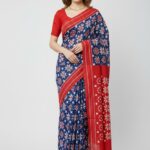
 Pochampally sarees
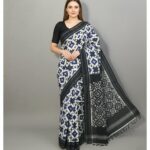 pochampally cotton Sarees
 pochampally silk sarees
 Double ikat saree
 Narayanpet sarees
 Kalyani Cotton Sarees
 kanjivaram sarees
 Patteda anchu sarees
 Kasuti Sarees
 NARAYANPET HALF SAREES
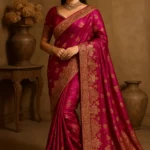 Fancy sarees
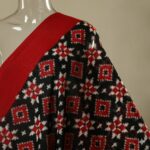 Cotton Suits
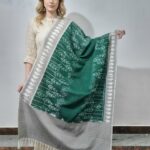 Mercerised duppatas
 Theliya dupattas
 2/40 Cotton Fabric
 Double Ikat FABRIC
 Plain Fabric
 Pillow Covers

Mulmul Cotton vs. Chanderi Silk: Which Summer Fabric is Right for Your Indian Wardrobe?

Indian summers can be unforgiving. The heat and humidity often make getting dressed a challenge. You want to look elegant, but you also need to stay cool and comfortable. Choosing the right fabric becomes the most important decision of the day. Two fabrics consistently dominate conversations about summer ethnic wear: the cloud-soft Mulmul cotton and the regal Chanderi silk. Both are celebrated for their lightweight nature, but they offer very different experiences. This guide will help you understand the differences in texture, drape, and maintenance, so you can build a summer wardrobe that feels as good as it looks.
Understanding Mulmul Cotton: The Gentle Touch of Nature
Mulmul, often called muslin, is a lightweight cotton fabric with ancient roots in the Indian subcontinent. It is woven with a finely spaced plain weave, which gives it an incredibly soft, almost ethereal texture. For generations, mulmul has been prized for its breathability. The airy weave allows for excellent circulation, making it a top choice for peak summer days. When you wear mulmul, it feels like a gentle embrace against the skin, offering comfort that is hard to match.
This fabric is perfect for daily wear, casual outings, and even long workdays in the heat. It absorbs sweat and dries quickly, keeping you fresh. If you are looking for a mulmul cotton saree, you will notice how easy it is to carry. The fabric does not cling to the body, allowing you to move freely. Its simplicity carries a quiet charm that speaks of tradition and practicality.
The Appeal of Chanderi Silk: Grace and Shine
Chanderi silk originates from the town of Chanderi in Madhya Pradesh. It is a distinctive blend of silk and cotton, though pure silk variants exist. This unique combination results in a fabric that has the sheen of silk and the comfort of cotton. The texture is crisp, and the drape is light yet structured. A chanderi silk saree summer essential is a staple in many Indian trousseaus because of its sheer elegance.
Chanderi is slightly heavier than mulmul but remains very breathable. The fabric has a translucent quality that adds a sophisticated allure. It is ideal for semi-formal events, daytime weddings, or festive occasions where you want to make an impression without sweating under heavy layers. The gold and silver zari work often found on Chanderi sarees enhances their festive appeal. It offers a luxurious feel that is still manageable in warm weather.
Mulmul vs Chanderi Comfort and Drape
When comparing lightweight Indian fabrics, the choice often comes down to the specific occasion and personal preference. Let’s break down the core differences in how they feel and look.
- Drape: Mulmul has a fluid, relaxed drape. It falls softly and creates gentle folds. Chanderi has a more structured drape that holds its shape well. It gives a crisp silhouette.
- Texture: Mulmul is ultra-soft and smooth to the touch. Chanderi feels slightly textured and crisp initially, softening beautifully with each wash.
- Weight: Both are light, but mulmul is generally lighter and airier. Chanderi is light but has a denser feel due to the silk content.
In terms of mulmul vs chanderi comfort, mulmul wins for sheer, everyday ease. It is perfect for days when you prioritize comfort above all else. Chanderi, on the other hand, offers a blend of comfort and elegance, making it the winner for dressier occasions.
Why Authentic Pochampally Cotton Needs Special Care
While we compare mulmul and Chanderi, it is helpful to look at the care required for other premium weaves like Pochampally. Authentic Pochampally cotton, known for its intricate geometric ikat patterns, demands attention to detail. The unique dyeing process makes the fibers delicate.
Washing a Pochampally saree requires gentle handling. The colors can bleed if washed in hot water or with harsh detergents. It is best to dry clean them the first few times. Later, hand wash in cold water with a mild soap. Do not wring the fabric. Instead, press the water out gently between your palms. This preserves the sharpness of the ikat design and the integrity of the cotton threads. This level of care is similar to what delicate Chanderi silk requires, whereas mulmul cotton is generally more forgiving.
Common Mistakes to Avoid
Many people unintentionally damage their favorite clothes by treating all fabrics the same. Here are common errors to avoid when handling delicate Indian textiles:
- Using harsh detergents: Strong chemical detergents strip natural fibers of their softness and can cause discoloration. Always opt for a mild, pH-neutral liquid wash.
- Wringing the fabric: Twisting a wet mulmul or Chanderi garment can break the delicate threads and ruin the drape. Always blot out excess water gently.
- Direct sunlight drying: The Indian sun is strong. Drying your silks and fine cottons in direct sunlight can cause fading and make the fabric brittle. Always dry them in the shade.
- Ironing on high heat: Using a very hot iron can scorch natural fibers. Use a medium setting and iron on the reverse side whenever possible.
How Proper Care Increases Fabric Life
Indian textiles are an investment. A well-maintained handloom saree can last for decades and even be passed down as heirlooms. Proper care is not just about washing; it is about storage and handling too. For mulmul cotton care, the focus is on maintaining that signature softness. Frequent gentle washing actually makes mulmul softer over time. However, avoid using starch, as it makes the fabric stiff and less breathable.
For Chanderi, storage is key. Because of the silk content, it attracts pests if not stored correctly. Always store your Chanderi sarees wrapped in a muslin cloth. Use natural repellents like neem leaves or cedar blocks instead of strong chemical mothballs. Folding the saree differently every few months also prevents permanent creases from setting in. Small habits like these ensure your fabric remains vibrant and strong for years. You can find a beautiful chanderi silk dress material that will last a lifetime if cared for properly.
Which Fabric Should You Choose?
The final choice between mulmul and Chanderi depends on your lifestyle and the specific event. Both are excellent choices for the Indian summer, but they serve slightly different purposes.
Choose Mulmul Cotton if:
You want everyday comfort. Your priority is a fabric that breathes exceptionally well and feels soft against sensitive skin. It is ideal for work wear, casual outings, and travel. It is low maintenance and gets better with every wash.
Choose Chanderi Silk if:
You need elegance and sophistication. The event is a wedding, a festive celebration, or a formal gathering. You want the comfort of cotton but with the added luxury and sheen of silk. It is a great option for summer evening events where you want to look festive but not overheated.
Ultimately, there is no wrong choice. A summer wardrobe is best when it has a mix of both. You can have a few mulmul sarees for your daily comfort and a stunning Chanderi for those special moments. Both fabrics celebrate the rich heritage of Indian handloom weaving while keeping you cool and stylish in the summer heat. By understanding their unique properties and care needs, you can invest in pieces that you will cherish and wear for years to come.