 Pochampally sarees
 pochampally cotton Sarees
 pochampally silk sarees
 Double ikat saree
 Narayanpet sarees
 Kalyani Cotton Sarees
 kanjivaram sarees
 Patteda anchu sarees
 Kasuti Sarees
 NARAYANPET HALF SAREES
 Fancy sarees
 Cotton Suits
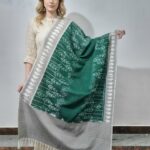 Mercerised duppatas
 Theliya dupattas
 2/40 Cotton Fabric
 Double Ikat FABRIC
 Plain Fabric
 Pillow Covers
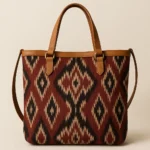

Double Ikat vs Single Ikat: How to Identify Authentic Handloom Fabric Before Buying

Double Ikat vs Single Ikat: How to Identify Authentic Handloom Fabric Before Buying
Introduction
Double Ikat vs Single Ikat fabric identification is a common question for saree lovers who want authentic handloom quality. This comprehensive handloom ikat buying guide will teach you exactly how to identify real ikat fabric and perform an ikat saree authenticity check. Whether you are exploring the difference between single and double ikat or searching for Pochampally double ikat authentic pieces, these practical steps will help you buy with confidence and avoid counterfeit products.
Indian handloom ikat has deep cultural roots, especially in Odisha, Andhra Pradesh, and Gujarat. But the market is now flooded with printed copies that look similar at first glance. If you have ever worried about paying handloom prices for powerloom fakes, this guide is for you. We will explain simple visual and tactile tests you can do at home, share a clear table comparing handloom and powerloom dupattas, and highlight mistakes buyers commonly make. You will also learn how to care for your ikat and why PAVANKUMARWEAVES is a trusted destination for authentic handloom ikat sarees and dupattas.
What makes handloom dupattas unique
Handloom ikat is not just a fabric, it is a story of precision, patience, and skill. In ikat, the yarn is tie-dyed before weaving to create the signature blurred-edge patterns. This resist-dyeing technique is done by skilled artisans who tie thousands of tiny knots to protect specific areas of the yarn. When woven, these dyed yarns come together to form motifs that look slightly soft at the edges, a hallmark of authentic handloom.
There are two main types: Single Ikat and Double Ikat. In single ikat, only the warp or weft yarns are tie-dyed. In double ikat, both warp and weft are resist-dyed. The result is more complex, often symmetrical patterns and a much higher level of craftsmanship. For example, the famous Pochampally double ikat from Andhra Pradesh uses a special technique to align both warp and weft designs perfectly. This is why double ikat is typically more expensive and highly valued.
What makes handloom ikat truly special is that every piece carries subtle variations. No two handloom dupattas are exactly identical because human hands made them, not machines. The irregularities you may notice in the border or the motifs are signs of authenticity. A handloom ikat also feels lighter, breathable, and softer on the skin compared to machine-made versions, which often use synthetic yarns and heavy chemical dyes.
Another important factor is the drape. Authentic handloom ikat, whether cotton or silk blend, falls gracefully and lasts for years with proper care. The colors are derived from natural or high-quality dyes and do not fade easily when washed correctly. In contrast, fake printed ikat may feel stiff, and the print may crack after a few washes.
How to check if a dupatta is handloom (5-step test)
When you are buying an ikat dupatta or saree, use this simple five-step test to confirm if it is handloom.
1. Front and back pattern check: Look closely at the motifs. In authentic ikat, the pattern appears slightly blurred on the edges and is visible on both sides of the fabric. If the design is only on one side or looks crisp and printed like a photo, it is likely a powerloom or screen-printed piece.
2. Yarn alignment test: Flip the fabric and check the back. In handloom, the dye penetrates the yarn, so you will see traces of the design on the reverse side. In printed fakes, the back will be plain with only occasional smudges. For double ikat, both sides will show the design, though softer on the back.
3. Border and pallu inspection: Handloom ikat dupattas often have woven borders and pallu ends that may be different from the body. The motifs here should continue from the body in a logical flow. Look for small irregularities in the border, like slight misalignments. Machine-made pieces often have perfectly aligned borders that feel too uniform.
4. Touch and drape test: Hold the fabric and let it fall. Handloom ikat feels light and breathable, especially if it is cotton or cotton-silk. It should move fluidly. If the fabric feels heavy, stiff, or overly smooth like polyester, it may be a synthetic blend or powerloom copy.
5. Price and provenance: Authentic handloom ikat requires significant labor, so if a deal looks too cheap, it is likely not genuine. Ask the seller for details about the weaver community, the type of ikat, and the region. Trusted sellers will proudly share this information. You can also ask for close-up images of the fabric and check for certifications if available.
For online shopping, always request multiple images: the front, back, close-ups of motifs, borders, and the pallu. If possible, ask for a short video to see how the fabric drapes. At PAVANKUMARWEAVES, for example, you can explore detailed product pages with clear images, making it easier to confirm authenticity before you buy.
Additionally, check the selvedge (the finished edge of the fabric). Handloom fabrics often have a tightly woven selvedge that may include the weaver’s mark or a color code. In mass-produced pieces, the selvedge is simple and may even be cut or stitched under.
Finally, remember that handloom ikat is an investment. If you care for it well, it will last for decades. So, it is worth spending a few extra minutes to verify what you are buying.
Handloom dupatta vs powerloom dupatta (table)
| Feature | Handloom Dupatta | Powerloom Dupatta |
|---|---|---|
| Pattern appearance | Soft, blurred edges; motifs visible on both sides | Crisp, printed look; design often only on one side |
| Back side | Shows traces of the dye; design slightly visible | Plain, no design, sometimes smudges |
| Texture | Light, breathable, natural feel | Stiff, heavy, may feel synthetic |
| Border and pallu | Woven, may have slight irregularities, motifs flow naturally | Uniform, machine-perfect, sometimes printed |
| Draping quality | Flows well, comfortable on skin | Less fluid, may feel plasticky |
| Durability | Lasts years with care, colors stay fast | May fade or crack after washes |
| Price | Higher due to skilled labor | Cheaper, mass-produced |
| Sustainability | Eco-friendly, supports artisans | Higher energy use, chemicals |
Common buyer mistakes
Many buyers make simple mistakes that lead to disappointment. Here are the most common ones and how to avoid them.
1. Falling for low prices: Authentic handloom ikat costs more because it involves many hours of skilled work. If you see a double ikat saree at an unusually low price, it is likely a printed copy or a machine-made mix. Always compare prices across trusted stores to understand the market rate.
2. Ignoring the back side: Printed ikat looks good from the front but betrays itself at the back. Always ask for a photo of the reverse side before buying online. If the seller cannot provide this, be cautious.
3. Not asking about the weave: Some sellers use terms like ‘ikat style’ or ‘ikat print’ to describe printed fabrics. Real ikat is woven, not printed. Always confirm if the fabric is woven ikat or a print. For Pochampally double ikat authentic pieces, ask specifically if it is handloom and from the Pochampally region.
4. Overlooking the border and pallu: Fake dupattas often have printed borders that look too perfect. In handloom, the border is woven separately and may show slight deviations. These minor imperfections are actually signs of authenticity.
5. Buying from unknown sellers: Without a trusted seller, there is no guarantee of authenticity. Look for stores that provide clear images, detailed descriptions, and support. Buying from a reputed brand like PAVANKUMARWEAVES reduces the risk of getting fake products.
6. Not checking care instructions: Handloom fabrics need gentle care. Some buyers wash them harshly and blame the product when colors bleed. Always follow the recommended care method to maintain the beauty of your ikat.
7. Assuming all silk is handloom: Silk blends can be machine-made too. The weave, not just the fiber, determines if it is handloom. Always check both the fiber and the weave type.
By avoiding these mistakes, you ensure your money supports real artisans and you get a product that lasts and looks beautiful for years.
Care & maintenance of handloom dupattas
Handloom ikat dupattas are delicate treasures. With proper care, they remain vibrant and soft for decades. Here are practical tips to keep your ikat looking new.
Washing: Always hand wash in cold water using a mild detergent. Soak for a few minutes, then gently swish. Do not scrub the motifs. If the dupatta is heavily soiled, it is best to dry clean it, especially if it is silk or silk blend. Never use hot water as it can cause colors to bleed.
Drying: Dry the dupatta in shade, never under direct sunlight. Sunlight can fade natural dyes. Hang it evenly on a wide hanger or lay it flat on a clean surface. Avoid wringing the fabric, as this can damage the weave.
Ironing: Iron on low heat while the fabric is slightly damp. Place a thin cotton cloth between the iron and the dupatta to protect the motifs. For silk ikat, use the lowest heat setting and avoid steam if possible.
Storage: Store your ikat dupatta in a cool, dry place. Fold it neatly and wrap it in a cotton or muslin cloth to allow air circulation. Avoid plastic bags as they trap moisture and can cause mildew. If you are storing for a long time, refold it every few months to prevent crease marks.
Stain removal: Treat stains immediately with a mild stain remover or a mix of water and gentle detergent. Dab, do not rub. For stubborn stains, professional dry cleaning is safer.
Refreshing the fabric: If your ikat dupatta loses its crispness, you can lightly steam it from a distance or air it out in the shade. This helps remove any mustiness and restores the drape.
Remember, the charm of handloom ikat lies in its natural feel. Over-washing or using harsh chemicals can strip away that softness. Treat it gently, and it will reward you with timeless elegance.
Why buy from PAVANKUMARWEAVES
When you buy from PAVANKUMARWEAVES, you are assured of authenticity, quality, and fair prices. Each piece is carefully curated from skilled weaver communities, ensuring that your purchase directly supports the artisans and their families.
PAVANKUMARWEAVES offers a wide range of handloom ikat sarees and dupattas, including authentic Pochampally double ikat and other regional varieties. The product pages feature detailed images, clear descriptions, and care instructions, so you can make an informed choice. If you need help identifying the right piece, the customer support team is always ready to assist.
Shopping here also means you get value for money. There are no hidden costs, and the prices are fair, reflecting the true effort and skill behind each handloom piece. The store follows ethical sourcing practices, promoting sustainable fashion that benefits both the environment and the weaving community.
You can explore the full collection by visiting the ikat dupattas and sarees section on the website. Here are some popular picks to get you started:
- Classic Single Ikat Cotton Dupatta
- Authentic Pochampally Double Ikat Silk Saree
- Handloom Ikat Silk Dupatta with Border
- Traditional Odisha Ikat Saree
Each product page includes close-up views, fabric details, and measurements, helping you check the authenticity before you buy. With secure payment options and reliable shipping, PAVANKUMARWEAVES makes it easy to bring home genuine handloom art.
Conclusion with buying guidance
Buying authentic handloom ikat is a rewarding experience when you know what to look for. The key is to slow down, examine the fabric carefully, and trust your senses. Use the five-step test we shared: check both sides of the fabric, inspect the border and pallu, feel the texture, and ask about the provenance. Avoid the trap of low prices and printed fakes by buying only from trusted sellers.
Understand the difference between single and double ikat. Single ikat is elegant and easier to produce, while double ikat is rare and requires expert alignment of warp and weft designs. If you want Pochampally double ikat authentic, look for the signature blur and symmetry that only a true handloom can offer.
Start small if you are new to ikat. A handloom dupatta is a great first purchase. You can pair it with kurtas, lehengas, or even western outfits. As you grow more confident, invest in a classic Pochampally double ikat saree, a family heirloom in the making.
Take care of your ikat as recommended, and it will remain vibrant for years. When you are ready to buy, visit a reputable store like PAVANKUMARWEAVES, where authenticity is guaranteed, and every purchase supports the weaver community.
By following this guide, you will not only identify real ikat fabric confidently but also contribute to preserving India’s rich handloom heritage. Happy shopping, and enjoy the timeless beauty of authentic ikat!