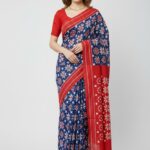
 Pochampally sarees
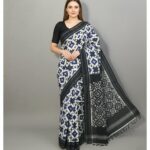 pochampally cotton Sarees
 pochampally silk sarees
 Double ikat saree
 Narayanpet sarees
 Kalyani Cotton Sarees
 kanjivaram sarees
 Patteda anchu sarees
 Kasuti Sarees
 NARAYANPET HALF SAREES
 Fancy sarees
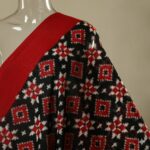 Cotton Suits
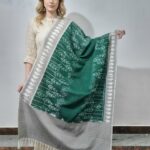 Mercerised duppatas
 Theliya dupattas
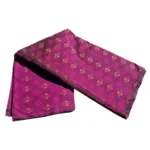 2/40 Cotton Fabric
 Double Ikat FABRIC
 Plain Fabric
 Pillow Covers


“`html
Double Ikat vs Single Ikat: Which Fabric Should You Buy?
Are you confused about choosing between Double Ikat and Single Ikat fabrics for your next purchase? You’re not alone. Many textile lovers and home decorators struggle to understand the key differences between these two luxurious Indian weaving techniques. Both are stunning, but they serve different purposes and budgets. In this guide, we’ll break down exactly what sets Double Ikat apart from Single Ikat, helping you make an informed decision that you’ll be happy with for years to come.
Whether you’re shopping for a special saree, elegant home furnishings, or a timeless gift, understanding these differences will ensure you get the best value for your money. Let’s explore the world of Ikat and find the perfect fabric for your needs.
What is Ikat? A Quick Overview
Ikat is a resist-dyeing technique where the yarns are tie-dyed before they are woven. The word ‘Ikat’ comes from the Malay word ‘mengikat’, which means ‘to tie’. This ancient craft has been practiced in India for centuries, with famous centers in Gujarat, Andhra Pradesh, and Odisha. The beauty of Ikat lies in its unique, blurred patterns that create a mesmerizing effect.
The process is laborious and requires immense skill. The artisan ties bundles of yarn with tight bindings at specific points to create a pattern. Then, they dye the yarn. When the ties are removed, the undyed portions reveal the design. This process is repeated for each color. The magic happens during weaving, where the dyed yarns must be perfectly aligned to create the final pattern. It’s this precision and artistry that makes Ikat so special and valuable.
Now, let’s dive into the two main types: Single Ikat and Double Ikat.
Key Differences Between Double Ikat and Single Ikat
This is the most important section for any buyer. The fundamental difference lies in the complexity of the dyeing process, which directly impacts the design, feel, and price of the fabric.
Single Ikat
In Single Ikat, only either the warp (vertical) yarns or the weft (horizontal) yarns are dyed using the resist-dyeing technique. The other set of yarns remains plain, usually in a solid color. This makes the weaving process slightly less complex because the artisan only needs to align the pre-dyed pattern with the plain yarns.
The result is a fabric where the pattern appears to float on the surface. Single Ikat is known for its elegance and relatively simpler patterns. It is lighter in weight and more affordable than Double Ikat. It’s a fantastic entry point into the world of Ikat.

Double Ikat
Double Ikat is the pinnacle of the Ikat craft. Here, both the warp and the weft yarns are resist-dyed to create patterns. This is an incredibly complex and time-consuming process. The artisans must meticulously align both sets of dyed yarns during weaving so that the patterns on the warp and weft merge perfectly to form the intricate designs. Even a tiny misalignment can ruin the entire piece.
This dual-dyeing process gives Double Ikat its signature characteristic: the pattern appears on both sides of the fabric with equal intensity. The designs are often more intricate, with motifs that seem to shimmer and blend. Double Ikat is heavier, denser, and significantly more expensive than Single Ikat. The most famous Double Ikat comes from Patan, Gujarat, known as Patola silk.

At-a-Glance Comparison:
- Process: Single Ikat involves dyeing only warp OR weft. Double Ikat involves dyeing both warp AND weft.
- Complexity: Double Ikat is exponentially more difficult and time-consuming.
- Appearance: Single Ikat has patterns on a solid background. Double Ikat patterns are symmetrical and prominent on both sides.
- Price: Single Ikat is budget-friendly. Double Ikat is a luxury investment.
- Weight & Feel: Single Ikat is lighter. Double Ikat is heavier and has a richer feel.
Which Ikat Fabric Should You Buy?
This is the million-rupee question! The right choice depends entirely on your purpose, budget, and personal taste. Here’s a simple guide to help you decide.
Go for Single Ikat if:
You are a first-time Ikat buyer, have a mid-range budget, or need fabric for daily or regular use. Single Ikat is perfect for office wear sarees, beautiful kurtas, casual dresses, and everyday home items like cushion covers and table runners. It offers the beautiful Ikat charm without the high price tag and is easier to maintain. For example, this stunning cotton saree is a perfect example of daily-wear elegance.

Go for Double Ikat if:
You are looking for a heirloom piece, a special occasion garment, or a high-end decorative item. Double Ikat is an investment. It’s ideal for wedding sarees, statement stoles, exclusive dupattas, and premium home décor like wall hangings or luxury bedspreads. The sheer artistry and rarity of a genuine Double Ikat piece make it a treasure to own and pass down through generations. If you want the absolute best in craftsmanship, Double Ikat is the answer.
Understanding Price, Quality, and Craftsmanship
When you see the price difference, you might wonder if Double Ikat is “overpriced.” The answer is no. The price reflects the immense manual labor, time, and skill involved. A single Patola saree, which is a type of Double Ikat, can take anywhere from six months to a year to complete, depending on its complexity. Only a handful of master weavers remain who can create these masterpieces.
Single Ikat is also entirely handwoven and requires skill, but the process is faster. A weaver can complete a Single Ikat saree in a few weeks. The price of both fabrics is also influenced by the raw material (cotton vs. silk vs. art silk) and the number of colors used.
When buying, always ask the seller about the weaving technique. To help you get started, here is a beautiful Double Ikat piece that represents excellent value and craftsmanship.

Common Buying Mistakes to Avoid
To ensure you have a great buying experience, here are a few pitfalls to watch out for:
- Confusing Ikat with Print: Many machine-printed fabrics mimic the Ikat look. Authentic Ikat will have slight imperfections and a characteristic “blur” in the patterns. Run your hand over the fabric; real handloom Ikat has a distinct texture. Printed fabrics feel flat.
- Not Checking Both Sides: In a true Double Ikat, the pattern is visible and identical on both sides of the fabric. In Single Ikat, the reverse side will show the weft threads (if warp-ikat) or warp threads (if weft-ikat) without the pattern. If the pattern looks faded or absent on the back, it’s likely not a genuine Double Ikat.
- Falling for ‘Too Good to Be True’ Prices: Genuine handloom Ikat, especially Double Ikat, has a price floor due to the labor involved. A suspiciously cheap “Patola” is almost certainly a fake, probably a screen print.
- Ignoring the Fabric Type: The feel of the fabric matters. A soft, fine cotton Single Ikat is perfect for a breezy saree, while a stiffer, heavier silk is ideal for a formal occasion. Know what you’re buying.
Caring for Your Ikat Fabrics
You’ve made a wonderful purchase! Now, how do you keep it looking beautiful? Both Single and Double Ikat require gentle care to preserve their vibrant colors and delicate weave.
Always dry clean your Ikat garments, especially silk ones, for the first few washes. The natural dyes can bleed slightly. For later washes, you can hand wash them in cold water with a mild detergent. Never use harsh chemicals, bleach, or hot water. Squeeze out excess water gently (do not wring) and dry in the shade, away from direct sunlight, to prevent the colors from fading. With proper care, your Ikat fabric will last for decades.
Conclusion: Making Your Perfect Choice
Choosing between Double Ikat and Single Ikat is not about which one is better, but which one is better for you. Both are products of India’s rich weaving heritage and represent generations of skill.
If you’re starting your Ikat journey or need something beautiful yet practical, Single Ikat is a wonderful, accessible choice. Its elegance and affordability make it a versatile addition to any wardrobe or home. For that once-in-a-lifetime purchase, an heirloom to cherish, or a true piece of art to wear or display, Double Ikat is unparalleled. Its complexity, rarity, and sheer visual impact justify its status as a luxury craft.
Consider your budget, your intended use, and what speaks to your heart. Whether you choose the graceful simplicity of Single Ikat or the breathtaking complexity of Double Ikat, you are investing in a piece of Indian culture. We hope this guide helps you buy with confidence and joy. Happy shopping!
“`